News

The Untold Dangers of Root Canals – Does this impact our breast?

The_Untold_Dangers_of_Root_Canals-Does_this_impact_our_breast

DID YOU KNOW THAT ROOT CANALS CAN HAVE UNTOLD, NEGATIVE EFFECTS ON YOUR HEALTH?

There is a growing recognition among integrative dentists and physicians that dental health has a tremendous impact on the overall health of the body. People are slowly discovering the hidden dangers of root canals as more medical professionals speak out about their dangers.

“The toxicity of root canals was disclosed by Mayo Clinic and Dr. Weston Price jointly back in about 1910. Close to a century ago. Price’s textbook on root canals, published in 1922, upset the dental associations at that time, and still does today. The American Dental Association (ADA), denies his findings and claims that they have proven root canals to be safe; however, no published data from the ADA is available to confirm this statement. Statements, but no actual research.”
Dr. Hal Huggins D.D.S.

The late Dr. Weston Price, D.D.S, M.S., F.A.C.D. former director of Research for the American Dental Association, discovered that root canals had within them bacteria capable of producing many diseases. They had no place in the body.

He made the claim that teeth that have had root canals are removed from people suffering heart or kidney disease, these diseases will resolve.

He found that implanting these teeth, even after rigorous sterilization, when put under the skin of an animal, resulted in the animal developing the same disease as the person and resulted in the animal dying of that disease within weeks.

There is also a relationship between specific teeth and illness. In the 1950’s, Reinhold Voll, M.D. of Germany discovered that each tooth in the mouth correlates to a specific acupuncture meridian.

Using his electroacupuncture biofeedback technique, he found that if a tooth became infected or diseased, the organ on the same meridian becomes infected or diseased. The opposite held true, as well, that a dysfunction in an organ could lead to a dysfunction in the corresponding tooth.

Is there a link to breast cancer and root canals? Dr. Weston Price seems to think so.

Leakage from Gum Disease to the Breast
The_Untold_Dangers_of_Root_Canals


A documentary released on Netflix in the fall 2018, Root Cause, questions the safety of root canals.

Netflix soon met opposition from the American Dental Association (ADA), American Association of Endodontists (AAE) and American Association of Dental Research (AADR).

In a letter dated 29 January 2019, the ADA, AAE and AADR wrote that continuing to host the film on their platform could harm the viewing public by spreading misinformation about safe medical treatments like root canals.

Root Cause was removed from Netfix but can be viewed on Apple, Amazon and Vimeo for purchase or streaming.

Among the most jarring claims in Root Cause is a connection between root canals and breast cancer.

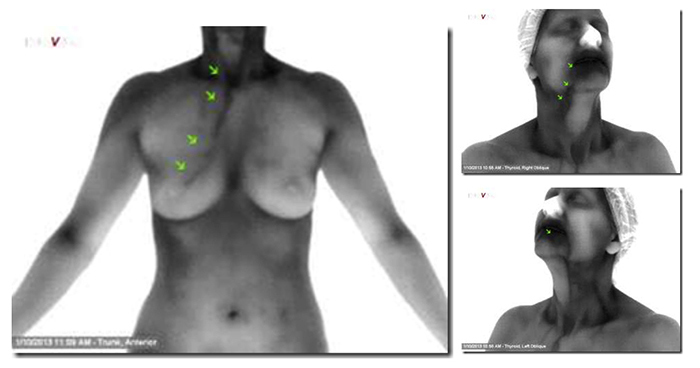
From a thermographic perspective, it is becoming more common to see oral inflammation that drains from the oral cavity, down the anterior neck and into the lymphatic system, in some cases creating lymphatic pathways into breast tissue.

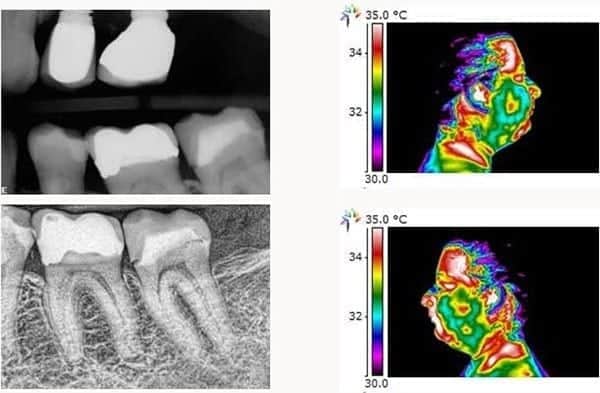
Thermography offers a non-invasive way to measure areas of inflammation in the dental, cranial and thyroid regions.

It can also be used to help detect any indications of physiological changes around sites of dental work such as the presence of infection, concerns with a crowned tooth or a failing root canal, and/or jaw cavitation’s due to extracted teeth

Dr. Price discovered that root canals had within them bacteria capable of producing many diseases. He claimed they had no place in the body.

WHICH IS MORE IMPORTANT?

The life of the tooth or the life of the patient?
This argument still faces us today. The body burden is under daily assault from toxins in our food, water, plastics, air pollution, beauty care products and add that to any number of focal infections in the mouth as well as mercury amalgams.

Currently more than 15 million root canals are performed yearly and more than 41,000 performed daily. Is there any wonder why cancer and auto-immune illnesses are on the rise?

The good news is 25% of the population can survive the toxins from root canals because of a healthy immune system.

Start working with a biological dentist. Biological dentistry stresses the use on nontoxic restoration materials for dental work, and focuses on the unrecognized impact that dental toxins and hidden dental infections can have on overall health.

Biological dentistry treats the teeth, jaw and related structures with specific regards to how the treatment will affect the entire body.

According to Hal Huggins D.D.S, a pioneer in this field, “ Dental problems such as cavities, infections, toxic or allergy producing filling materials, root canals and misalignment with the teeth or jaw can have far reaching effects throughout the body.”

Is there a difference between holistic dentist and biological dentist?

The names came out of the various organizations that dentists started as alternatives to the American Dental Association and other mainstream, conventional, dental organizations.

The Holistic Dental Association was founded in 1979 and the International Academy of Biological Dentistry & Medicine (IABDM) was founded six years later, in 1985.

The Holistic Dental Association tends to be more open to spiritual healing and energy healing than the IABDM, and the IABDM is a larger organization. Many Holistic/Biological dentists belong to both organizations, and use the term holistic and biological interchangeably.

Neither holistic nor biological dentists need a specialized education in order to call themselves holistic or biological, unlike specialties like periodontist or orthodontist, which do require additional study in dental school.

Root canals and dental toxicities are a lengthy topic, so here is what you need to know.
2019 Root Canal Dangers – The Weston A. Price Foundation

https://youtube.com/watch?v=lyW-GHVndGs%3Ffeature%3Doembed

“I don’t feel comfortable using a substance designated by the Environmental Protection Agency to be a waste disposal hazard. I can’t throw it in the trash, bury it in the ground, or put it in a landfill, but they say it is okay to put in people’s mouths? That doesn’t make sense.” Richard Fischer D.D.S.

Thermography Clinic Ireland Are Offering Breast, Dental, Upper 7 Lower Body and Full Body Thermography

Contact 086 1623683 to book your thermography appointment today
Thermography and Identifying Estrogen Dominance

Estrogen is known as the female hormone. It helps kickstart sexual development and, along with progesterone, affects a woman’s reproductive system. According to Healthline, when your body has the proper hormone balance, your body functions the way it is meant to. However, if you have a hormone imbalance, it can cause a lot of wacky things to happen. One example of this is estrogen dominance.

What Is Estrogen Dominance?

While estrogen is a normal part of all bodies, when your body has more estrogen than progesterone, it is referred to as estrogen dominance. Some symptoms of estrogen dominance in women are:

  • bloating
  • swelling and tenderness in your breasts
  • fibrocystic lumps in your breasts
  • decreased sex drive
  • irregular menstrual periods
  • increased symptoms of premenstrual syndrome (PMS)
  • mood swings
  • headaches
  • anxiety and panic attacks
  • weight gain
  • hair loss
  • cold hands or feet
  • insomnia
  • sleepiness or fatigue
  • issues with memory

In men, estrogen dominance can manifest as infertility, Gynecomastia, and erectile dysfunction.

Risk of Breast Cancer

Having estrogen dominance makes you more at risk of breast cancer. Essentially, breast cells can attach themselves to estrogen. The estrogen then fuels the growth of these cells. If they become cancerous, it can spread quickly. This is why it is essential to be checked for estrogen dominance. It can give you an early idea that breast cancer could be possible.

Thermography and Identifying Estrogen Dominance

Thermography is helpful in identifying estrogen dominance. It is able to detect physiological changes linked to cancer while it is still at a cellular level. It detects it even before a mammogram can. Another benefit of thermography is the ability to detect lymphatic congestion, which is also a precursor to disease, with this information you can address these underline issues that can lead to a disease state if not corrected. Work with a suitabley trained professional for best results and to allow you achieve optimal health.

At Thermography Clinic Ireland, we want to help you with your Thermography & Health needs. Contact us on 086 1623683 or email info@thermographyireland.ie for more information.

Taurine: 5 Benefits for Women’s Health

Taurine for women's health

Taurine is one of my favorite supplements for perimenopause, menopause, sleep, mood, insulin resistance, and migraine prevention.

Taurine is a sulfur-containing amino acid that is not used to build proteins but instead acts as a free amino acid to support the healthy functioning of the immune and nervous systems. Taurine is so important that it makes up 0.1% of total body weight.

Traditionally, taurine has been classified as “non-essential” because it can be synthesized from methionine and cysteine. Unfortunately, the rate of taurine synthesis is very low in humans so must be ingested from animal foods such as meat, dairy, and fish. The daily intake from an average omnivore diet is 400 mg and there’s no taurine in plant foods.

Obtaining adequate taurine is more important for women than men because taurine biosynthesis is impeded by estrogen.

Benefits of taurine for women’s health

Calms the brain and soothes anxiety

Taurine is a claming neurotramsmitter similar in structure to glycine and GABA (gamma-aminobutyric acid) — the brain’s other two calming neurotransmitters.

Similar structure of the neurotransmitters GABA, glycine, and taurine.
GABA, glycine, and taurine are similar in molecular structure.

By interacting with GABA receptors, taurine helps to support beneficial “GABAergic” tone or activity, which improves sleep, prevenets migraines, and can relieve premenstural and perimenopausal mood symptoms.

Helps to reverse insulin resistance and prevent obesity

Taurine improves healthy insulin sensitivity by supporting mitochondria and preventing the harmful over production of reactive oxygen species (ROS). Together with magnesium, taurine can also reduce inflammation, suppress appetite, and prevent ovesity.

👉🏽Tip: Taurine’s benefits for both GABA and insulin make it particularly helpful for the hot flashes of perimenopause and menopause. 

Supports healthy estrogen metabolism or detoxification

By supporting the healthy formation of bile acids, taurine can prevent gallstones and help to promote the healthy detoxification of estrogen thtough the liver and bowel.

Hastens recovery from iron-deficient anemia

Thanks to taurine’s antioxidant and cell-membrane stabilizing effects, it can boost hemoglobin production.

Builds muscle and bone

Finally, by supporting healthy muscle, taurine can help to prevent osteoporosis. (Because the biology of bone and muscle are connected.)

How to supplement taurine

The recommended dose is between 500 to 3000 mg and works best when taken with magnesium, another important nutrient for mood, mitochondria, and insulin sensitivity. I recommend Cytoplan L Taurine product code 2420. See the link below.

https://www.cytoplan.co.uk/?AFKey=CG0014

How to Perform Self Breast Check

How to Perform Self Breast Check

This is a very easy breast check a woman can undertake herself in the privacy of her own home, and is very important to your health.

So when is the right time?

The best time is 3-5 days before your periods start, and on a monthly basis, preferably the same time each month.  Your breasts should not be as lumpy or tender at this time. Even postmenopausal women can do regular monthly checks and it helps to do it on the same day every month also.

How do I do it?

  • Begin by lying down.
  • Place your right hand behind your head. With the middle fingers of your left hand, gently yet firmly press down using small circular motions to examine the entire right breast.
  • Next, sit or stand. Feel your armpit for any lumps.
  • Gently squeeze the nipple, checking for discharge.
  • Repeat the process on the left breast.
  • Also look at both breasts and check for areas of dimpling and hardening of tissues with both arms up and down.
  • Use one of the patterns shown in the diagram to make sure that you are covering all of the breast tissue.

Your goal is get used to the feel of your breasts. This will help you to find anything new or different. If you do, call your health care provider right away &/or consider a Breast Thermography.

Why do your hormones affect your mood?

Your hormones are little chemical messengers that tell your body to do certain processes. When they are out of balance it can have a knock on effect on all areas of your health; physical, emotional and mental, and your mood is a very common one to be affected.

Mental health disorders are increasing, with anxiety and depression being the most common ones. Treatment is usually counselling, anti-depressants or anti-anxiety medications but it’s important to look at the effects of other physiological changes and whether they are influencing you emotionally and mentally.

Anxiety, depression, low mood and mood swings are all symptoms of imbalances in your thyroid, adrenal and sex hormones. In this article I want to explore the common hormonal issues that may be affecting your mood and how that can be managed to lift your mood and reduce the symptoms of anxiety and depression, as well as giving you some tips on how you can help to balance out your hormones and boost your mood (and I know that’s what you really want to know).

1. Your Thyroid

Your thyroid hormones are released from a gland in your neck (not surprisingly called the thyroid) which not only controls your metabolism and your body temperature but also plays a vital part in your brain chemistry too. Women in their 40’s+ often experience a decline in their thyroid health which can lead to an underactive thyroid, where your thyroid isn’t producing hormones in the correct amounts, and that can lead to symptoms such as an inability to cope with stress and overwhelm, and feelings of anxiety, depression and severe mood swings.

2. The adrenal glands

The adrenal glands are responsible for controlling levels of stress in your body and in the western world, as mums, wives, colleagues and all the other roles we have to play, they are under more pressure than ever before. When you have chronic levels of stress in your life then it can lead to us not being able to produce adrenaline in the levels we require and release cortisol in levels that are unsustainable. Our adrenal hormones play a big part in controlling our mood and keeping the chemicals in our brain in balance, so to reduce the risk of anxiety and depression we need to ensure they are being produced in the right quantities.

3. Insulin Levels

I harp on about blood sugar balance all the time but that’s because it can make such a difference to how you feel. When you eat sugary foods and refined carbohydrates, your insulin kicks in to bring your blood sugar back down into balance. When this is a constant rollercoaster throughout the day it affects your energy levels and makes you just plain grumpy, and when this happens over a period of time it can make you feel very low.

4. Oestrogen / Progesterone Balance

A fall in oestrogen levels can cause changes in your mood, which explains why many women going through the menopause experience feelings of depression and anxiety, as well as severe mood swings.Low levels of progesterone also affects our mood and cause us to feel irritable, angry (raging — or maybe that’s just me!).

As our oestrogen also helps to increase our serotonin levels, responsible for making us feel good. Low levels can affect our mood (many anti-depressants are serotonin based) so working on balancing out our oestrogen levels and ensuring that it is working in the right ratio with progesterone can help to reduce the chance of us being affected by depression.

So, now we now WHY your hormones affect your mood, let’s have a look at what you can do to help balance them out so you can feel better emotionally and mentally.

– Eat a diet rich with real, natural whole foods. Focusing on proteins, healthy fats, fruit and vegetables to give our bodies all the vitamins and minerals it needs to function optimally.

– Avoid sugary, processed foods and takeaways; they lack nutrients, are full of transfats and sugar has a negative effect on our blood sugar balance which can make symptoms worse.

– Eat plenty of healthy fats as they help to balance our hormones as well as supporting the chemicals in your brain. Avocados, nuts and seeds and their oils and butters, oily fish are all good options.

– Consider supplementing with herbs and nutrients. Milk thistle to help with detoxification of the liver which is integral to helping us to excrete excess hormones.

– Exercise is also helpful in boosting our endorphin levels and therefore our mood. It doesn’t have to be intensive; alot of women find a walk or bike ride helpful or doing some yoga as this also helps to relax and reconnect.

– Self care is also really important so if you are feeling low and emotional or suffering with depression and anxiety. Take a magnesium salt bath, read a book, watch your favourite film, go for a walk in the countryside, connect with a friend. Whatever makes you happy!

To find out how I can help you to manage your hormonal symptoms contact the clinic by email info@thermographyireland.ie or Ph: 0861623683

What is Holistic Medicine?

Holistic medicine is a form of treatment that looks at all aspects of health and wellness. For example, while traditional medicine simply focuses on alleviating symptoms (i.e. pain relief), holistic medicine looks deeper, seeking to obtain optimal health for the entire body. This would include a balanced approach of healing the mind, body and spirit using both conventional and alternative treatment methods.

This holistic approach to healing focuses on preventative medicine, which means taking care of our physical, mental and spiritual well-being before we get sick. On the other hand, traditional medicine focuses on treatment after a person becomes ill.

The definition of holistic medicine can be quite broad, where one person’s definition may be slightly different from another’s. As a result, not everyone will agree on what the definition of holistic medicine is, but in this guide, l will focus on the most popular forms of holistic healing.

The Principles of Holistic Medicine

When it comes to holistic medicine, there are several basic principles that are universally followed and practiced. By maintaining the health of these important elements now, we decrease the risk of becoming ill later:

  • Optimal health. This principle focuses on being the best we can be by maintaining life’s essential elements:
  • Physical
  • Mental
  • Spiritual
  • Emotional
  • Social
  • The power of love. Many believe love is a powerful healer. As a result, patients are to be treated with kindness and treated with dignity.
  • The power of prevention. Instead of just treating the symptom, holistic health places emphasis on preventing disease and illness. This is accomplished by raising awareness to things (and situations) that may be harmful to a person’s health.
  • Instinctive ability to heal. It is believed that we are all able to heal our mind, body and spirit from within. The goal is to help a person tap into these innate abilities and let the healing process begin.
  • Unique, individual treatment. Many feel traditional medicine uses a “cookie-cutter” mentality to treat illness: if a person exhibits certain symptoms, they are simply given medicine to treat those symptoms. On the other hand, holistic medicine believes we are all different, and seeks to find treatments that are best for that specific individual, as opposed to what’s best for the disease.
  • Live and learn. For practitioners of holistic medicine, life itself provides many learning opportunities. Birth, death, joy, sorrow, hunger, pain, and many other experiences can be learned from, and provide clues on how to treat (and possibly prevent) many health issues.
  • Lead by example. Instead of just talking about the benefits of holistic health, the goal is to show others by applying the principles themselves, and inspiring others to do the same.
error: Content is protected !!