News

Hair Tissue Mineral Analysis (HTMA)

Nutritional balancing using HTMA is a system of healing that progressively developed over the past 50 years by multiple practitioners such as William Albrecht in organic agriculture, Dr. Watts, Dr. Paul Eck, and Dr. L. Wilson, to name a few.

A key to healing by nutritional balancing is to remineralize the body. Minerals are the spark plugs of life. When people think of essential nutrients they immediately think of vitamins. However, vitamins do not work without minerals! Routine blood work does not work to assess one’s mineral status. Having balanced mineral levels in the body allows you to have an optimized metabolism and high energy output that leads you to feeling not just good, but GREAT!

If minerals are so important, why has your doctor not discussed this with you? Mineral testing done by conventional doctors checks just a few minerals in the blood (serum) such as sodium, potassium, and calcium. Did you know that only 1% of the minerals in your body are located in your blood? Ninety-nine percent of your minerals are located in your tissues such as bone, hair, liver, heart, thyroid and adrenal glands, etc.

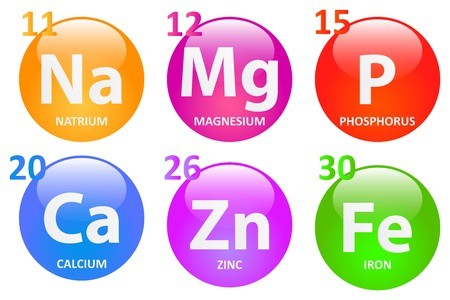
Mineral ratios on hair tissue mineral analysis have special meanings. Did you ever ask why thyroid tests are always normal despite having many of the symptoms? The thyroid gland is regulated by the calcium-to-potassium ratio and the adrenal glands are assessed utilizing the sodium-to-magnesium ratio. Knowing the status of the calcium-to-potassium ratio often will determine the true status of the thyroid gland, for example.

Hair Mineral Analysis testing provides a vivid picture of your internal environment and how efficiently your body is working for you. I couple The HTMA with a specific Blood Test, and utilise and interpreut the information to establish what is the root cause of your dysregulation that is driving your symptoms.

Learn more about our hair mineral & blood testing services. Call 086 1623683 for more information & to schedule an appointment.
Fatty Liver Disease – What You Need To Know

By: Cat Ebeling, RN, MSN-PHN, 

There is a silent and serious disease slowly taking over a large portion of our population. Fatty liver disease is becoming increasingly common in many parts of the world—especially the United StatesIt affects 1 out of five people globally, and is a major risk factor for liver failure, as well as diabetes, heart attacks, and even cancer. In the United States it is the most common liver disease there is.

This disease is called NALFD (non-alcoholic fatty liver disease) or fatty liver. It has definite links to fructose, vegetable seed oils and our overall nutrition. What is this disease?

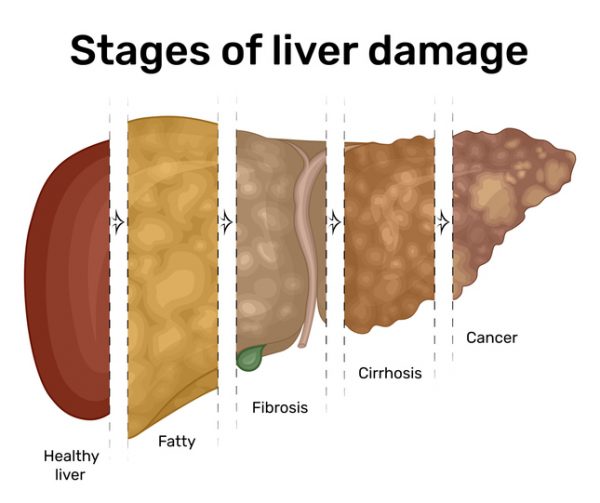
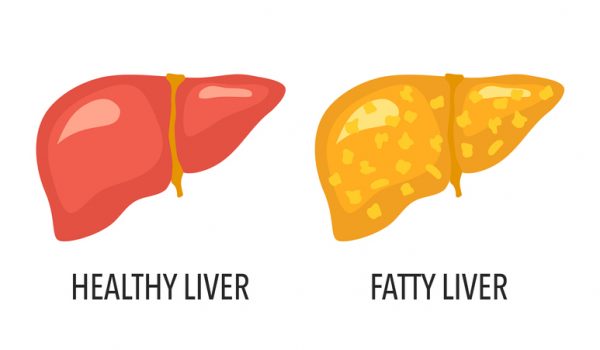
The main characteristic of this disease is an overload of fat stored in the liver. So much so that the liver cannot function properly. The liver is considered “fatty” when more than 5% of it is fat. Non-alcoholic fatty liver is the initial stage of this liver disease—and at this point—is still reversible.

The biggest problem with this disease is that it often has no symptoms, so it goes undiagnosed. Over time, NAFL can become NASH, or non-alcoholic steatohepatitis. At this point, the inflammation and fat begin to damage the liver cells, leading to scarring of the liver and cirrhosis. By the time the disease advances to NASH, the liver is no longer functioning very well. NASH can be life-threatening and can be the beginnings of liver cancer, an aggressive and difficult-to-treat form of cancer.

The liver is one of the primary organs in our bodies, and one we cannot live without. It is responsible for:

  • Production of bile, carries away waste and breaks down fats
  • Production of proteins for blood plasma
  • Production of cholesterol and special proteins that carry fats
  • Conversion of glucose into glycogen for storage
  • Processing of hemoglobin for iron
  • Conversion of ammonia to urea to be carried out of the body
  • Metabolizing drugs and ridding the body of toxins
  • Regulating blood clotting
  • Creating immune factors to fight infections
  • Clearance of byproducts of red blood cells.

When the liver gets overloaded with sugar or starches, it turns starts making fat like crazy. This is the body’s normal response to excess glucose. However, fructose—especially when it comes in the form of high fructose corn syrup, is a trigger to put the liver into overdrive and really turn on the fat production. Because high fructose corn syrup has found its way into virtually all processed foods and drinks, it is the primary cause of fatty liver syndrome—as well as numerous other serious health issues.

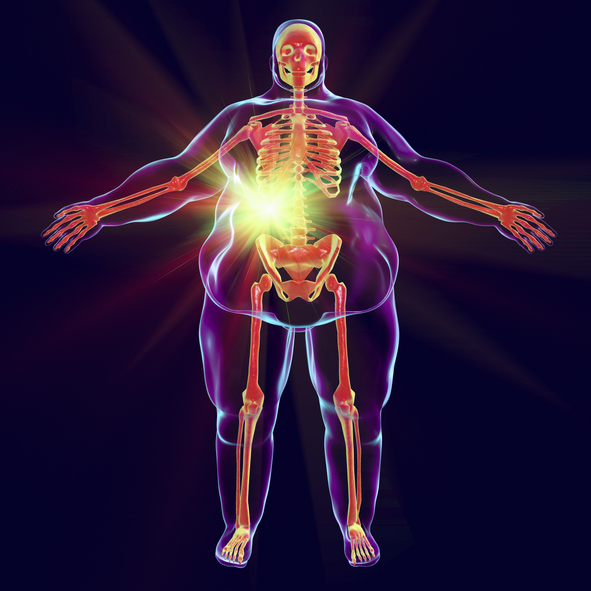
Having fatty liver disease comes with a cascade of health issues. First of all, high blood sugar, high levels of inflammation and insulin resistance point you towards diabetes and obesity. As fat builds up in the liver, and surrounding organs, “visceral fat”, is a precursor to many serious, chronic diseases.

Excess abdominal fat also elevates LDL cholesterol, when combined with excess inflammation, making you a prime candidate for heart attacks. What’s even more shocking, is that this disease is not a disease that just middle-aged or older people get. Children, as young as 10 and 12 years old are getting this disease from spending their childhood drinking juice and soda.

What are the risk factors for fatty liver disease? Nonalcoholic fatty liver (NAFLD) is more common in people who exhibit any of these health problems or features:

  • Menopausal or post-menopausal women
  • People who have had their gall bladders removed
  • Obesity
  • Type 2 diabetes
  • Prediabetes
  • Metabolic syndrome
  • Hispanic
  • Rapid weight loss
  • High blood pressure
  • Middle aged or older; children can also have NAFLD
  • Corticosteroids and some cancer drugs
  • Low intake of choline, a necessary nutrient

Choline Deficiency and NAFLD

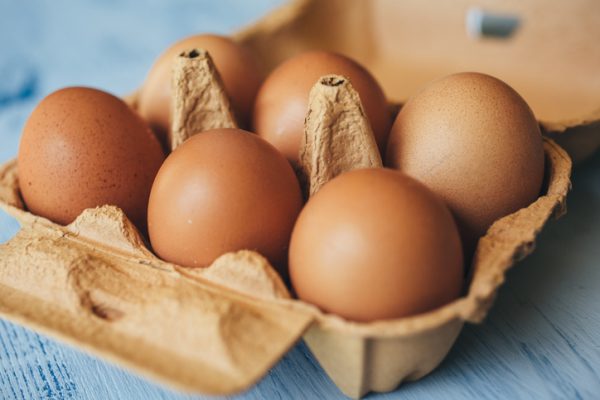
Research now shows that choline deficiency, a key nutrient found in egg yolks and beef liver, is one of the key risk factors that trigger fatty liver disease, along with fructose. According to Chris Masterjohn, who holds a PhD. in nutrition science, choline deficiency actually appears to be an even more significant trigger for fatty liver disease than fructose, and in his view, the rise in this liver condition is largely the result of avoiding liver and egg yolks. Says Dr. Masterjohn:

               “More specifically, I currently believe that dietary fat, whether saturated or unsaturated, and anything that the liver likes to turn into fat, like fructose, [sucrose] and ethanol, will promote the accumulation of fat as long as we don’t get enough choline,” Masterjohn says adding:

               “Once that fat accumulates, the critical factor igniting an inflammatory fire to this fat is the consumption of too much PUFA (polyunsaturated fat from vegetable … oils).”

When you combine a low choline diet with excessive fructose and starches, you are almost guaranteed to develop fatty liver disease at some point.

What is Choline?

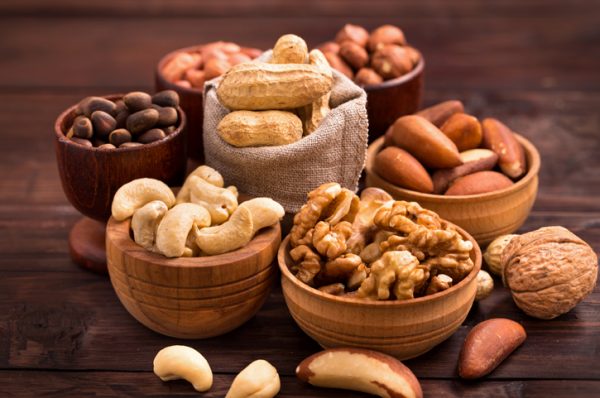
Choline is a nutrient found in egg yolks, beef liver, legumes, nuts, beef, leafy greens. Choline is an essential component of our cell membranes and is required for the synthesis of phospholipids. Choline helps our bodies create the neurotransmitter acetylcholine which is important for memory, mood, muscle control, and other brain and nervous system functions.

Choline also works with the metabolism of B vitamins as well. Choline is essential to make phosphatidylcholine which is important to the structure and integrity of our body’s cell walls. Many people are low in choline due to dietary restrictions (egg yolks, liver) and people who are vegetarians and vegans.

Menopausal Women and Choline Deficiency

Younger women need less choline from their diet than children or other adults because the female hormone estrogen helps the body make choline. After menopause, estrogen levels decline, making it necessary to get choline from the diet. This makes menopausal and postmenopausal women at a much higher risk for fatty liver disease, particularly when they have a poor diet high in sugars and starch.

Choline and B Vitamins

In addition, when someone is deficient in folate, a B vitamin, the need for dietary choline increases even more, because choline is needed to help body utilize B vitamins.

Two very common genetic variations in the PEMT gene and the MTHFR gene (I will discuss these gene variations in an upcoming article) create a higher need for both folate AND choline, further increasing the risk of getting fatty liver disease.

What does this mean?

Post-menopausal women and people with these common gene variations are at high risk for choline deficiency, making them at an even higher risk for fatty liver disease. AND when you combine these factors with a common gene variations, a poor diet–high in processed foods, high fructose corn syrup and processed grains, the chances of fatty liver disease are extremely high.

What are the Symptoms?

Often this sneaky disease causes few, if any, symptoms. If it does, symptoms can include fatigue, loss of appetite, nausea, and discomfort in the upper right abdomen. Left unchecked, it can progress to serious liver problems including:

  • Abdominal swelling
  • Enlarged blood vessels
  • Enlarged spleen
  • Red palms
  • Yellowing of the skin and eyes (jaundice)
  • Mental confusion or dementia

How to Prevent or Reverse Fatty Liver Disease

You can reverse fatty liver disease by changing your diet. Strictly eliminating foods containing fructose and high fructose corn syrup, as well as sucrose or any added sugars is the first step. Avoid these foods:

  • Processed foods, especially any foods containing added fructose, corn syrup or high fructose corn syrup.
  • Any vegetable seed oils such as soybean oil, canola oil, sunflower oil, corn oil, safflower oil, cottonseed oil
  • Alcohol
  • Certain medications including acetaminophen and ibuprofen

Foods to eat more of:

  • Egg yolks
  • Grass fed liver
  • Naturally raised meats, poultry and fish—you may need to considering eating these even if you are vegetarian or vegan
  • Beans and peas
  • Liver boosting foods such as artichokes, arugula, and dandelion
  • Green leafy vegetables which are high in folate

And don’t forget to get regular exercise, which can help you burn off excess glucose, increase your insulin sensitivity, and help you lose weight.

Don’t fall victim to liver disease. Especially when it’s so easy to prevent.

References
https://drhyman.com/blog/2013/09/26/fatty-liver-90-million-americans/
https://www.mayoclinic.org/diseases-conditions/nonalcoholic-fatty-liver-disease/symptoms-causes/syc-20354567
https://www.theartofhealing.com.au/eggs.html
https://draxe.com/health/fatty-liver-disease/
https://pubmed.ncbi.nlm.nih.gov/21288612/
https://articles.mercola.com/sites/articles/archive/2019/05/08/why-children-are-getting-fatty-liver-disease.aspx?fbclid=IwAR0l_PNLDz1g4gcGUXJlg9VOs8F9I57HKVmIF8oXzUYZ9OtNdOFYRtjXrpw
https://www.healthline.com/health/visceral-fat#complications
https://www.ncbi.nlm.nih.gov/pmc/articles/PMC5893377/#R8
https://www.hopkinsmedicine.org/health/conditions-and-diseases/liver-anatomy-and-functions
https://www.ncbi.nlm.nih.gov/pmc/articles/PMC4462685/
https://www.healthline.com/nutrition/fatty-liver#TOC_TITLE_HDR_6
https://draxe.com/health/fatty-liver-disease/
https://academic.oup.com/ajcn/article/92/5/1113/4597519
https://ods.od.nih.gov/factsheets/Choline-HealthProfessional/
https://academic.oup.com/ajcn/article/85/5/1275/4632979?itm_medium=sidebar&itm_content=ajcn&itm_source=trendmd-widget&itm_campaign=trendmd-pilot&utm_campaign=The_American_Journal_of_Clinical_Nutrition_TrendMD_0&utm_source=TrendMD&utm_medium=cpc

Risk Assessing Breast Thermography Imaging Overview

Breast Cancer Prevention

Mammograms are promoted by many organizations fro prevention. But of what? DEATH… if “early detection” is obtained. But early detection is still “after the fact:” cancer has occurred. True prevention would imply no breast cancer manifests. When Risk Assessing Thermal Imaging, a “before the fact” test, is combined with preventive education materials (like “Better Breast Health – for Life!™), with a client who is proactively managing risk factors, true prevention a more likely possibility.

Risk Assessing Thermal Imaging and Prevention

If a woman learns through her thermal imaging that she is at high risk for developing cancer, she may have an early opportunity to intervene and reverse the situation through risk factor management. If she did not know she was at risk, would she have had this opportunity? On the other hand, why would a woman at lowest risk be overly anxious and consider aggressively managing every risk factor possible?

“I like to think of my risk assessment as a way of understanding how all the risk factors are collectively impacting my breast health at any given point in time. If I don’t like the results, I make changes in one or more of these factors and monitor the impact with a new risk assessment. Over time, I hope to reduce my risk ratings, improve my breast health, and avoid breast cancer.”  – Tina

Risk Assessing Thermal Imaging assesses each breast’s cancer risk with a Thermobiological Risk Rating. On a scale of 1 to 5, each number represents the level of risk for developing breast cancer, with 1 being lowest and 5 being highest. Think of it as a way of objectively monitoring the collective effect of 35+ breast cancer risk factors on each breast.

THERMOBIOLOGICAL RISK RATINGCANCER RISK
TH1Lowest
TH2Low
TH3Medium
TH4High
TH5Highest

So each breast is assessed a simple number you can use to monitor your level of risk over time. If you are uncomfortable with your level or risk… or it is increasing over time… you can intervene and act. We can show you potential risk factors in your images, educate you on likely causes, and provide action steps, tools and resources to support prevention and a healthier tomorrow. While approximately 90% of our first-time clients have thermal findings/breast inflammation, approximately 80% see improving findings/inflammation and subsequent risk reduction at their next visit (when they choose the prevention service).

Risk Assessing Thermal Imaging and Early Breast Cancer Detection

The average cancer takes up to 8-10 years to become large enough to be visible on a mammogram, typically at 3 mm. But active cancers begin creating a blood supply at about 1/5 mm.

Thermal imaging looks for signs of developing blood supply, as well as signs of risk contributing to inflammation.

There is a known standard for a low risk thermogram. Breast disease causes thermograms to significantly deviate from that standard. Low risk breast thermograms show symmetrical heat patterns and similar temperatures in the breasts, while high risk thermograms do not:

thermal_image_1

This is an example of a low risk thermogram.

thermal image abnormal

This is an example of a highest risk thermogram.

Active cancer cells are blood thirsty and stimulate the development of new blood vessels to feed them (neoangiogenesis). These vascular formations are one thermobiological sign that cancer may be developing. The thermogram above and right is an example of a highest risk thermogram, from a 33 year old client who had a normal mammogram and a normal ultrasound. Can you see the vascular formation in her right breast, pictured on the left of the image? This thermogram led to directed clinical palpation followed by lumpectomy that revealed a 3 mm carcinoma. While this client did not have time to reverse the situation, she was able to obtain a relatively early diagnosis. Information is power, Knowing your Breast Cancer risk, enables you to be proactive and make changes to prevent disease.

Contact info@thermographyireland.ie or call 0886 1623683 to schedule an appointment or get more information.

“I want to prevent cancer, not detect it.”

Mammograms, ultrasounds, MRIs focus on detection of Breast Cancer. Breast Thermography as offered at Thermography Clinic Ireland, focuses on prevention. Services provide a Thermobiological Risk Rating for each breast, a Hormonal Assessment regarding estrogen stimulation, and Self-Care and Prevention Education, to empower you to be proactive with your Breast Health.  If you prefer prevention over detection, check us out… we support both, early detection and prevention.

It is especially helpful for women who are: pre-menopausal; with dense, fibrocystic, or large breasts; undergoing HRT or fertility treatment; with implants, or surgical alteration; nursing or pregnant; not able to tolerate radiation or compression; or seek early warning signs early enough to intervene, reduce risk, and support prevention. Because thermography is 100% safe, with no radiation or compression, it cannot cause cancer or cause a tumor to rupture. As a risk assessment and early warning tool, Thermography Clinic Ireland provides thermal imaging of the Breast,Teeth and Body for men and women.

Women who want prevention choose thermography.

Mammography does not prevent cancer. It is meant to support detection, though it falls short along many attributes. There is such growing evidence about the shortcomings of mammography that the Swiss Medical Board has recommended “completely abolishing mammogram screenings.”

Call today to book an appointment or get more information. Ph: 086 1623683.

How Liver Function Affects Hormone Imbalance

How Your Liver Function Affects Your Health and Hormone Balance

When it comes to hormone balance, many factors may be involved such as stress, diet and age. However, did you know that your liver function also has an effect on your hormone levels? A healthy liver is necessary in regulating hormone levels in your blood system. (1)

Yes, your liver is responsible for that and more, which is just one of the many reasons you need to keep it functioning in a healthy and productive manner.

YOUR LIVER’S FUNCTION

First, let’s go over your liver’s main function, which is to play a central role in metabolizing the body’s energy. For instance, the liver is responsible for producing bile, which in turn is necessary in the breaking down and converting of fats to energy. There is also the regulation of blood sugar, which the liver does by either storing excess sugar energy as glycogen or releasing glycogen into the bloodstream when energy levels are low.

It is also responsible for converting dietary nutrients into materials your body can use, along with either converting toxins into usable substances or excreting them.

In short, your liver is a key component in producing your body’s energy and building materials from the foods you eat, along with safeguarding you from toxins by removing substances such as byproducts of alcohol and medications from your blood. (2)

YOUR LIVER, YOUR HEALTH

While a healthy liver does a wonderful job of keeping you strong and energetic, there are limits to what it can handle while remaining fully functional. For instance, when you consume conventional fruits and vegetables which contain pesticide residues, changes in metabolism and oxidative balance in the liver can occur.

And, since pesticide residue is hepatotoxic (damaging to liver cells), prolonged exposure to high amounts of them can cause worsening liver damage, and possibly liver cancer. (345)

There are also substances such as alcohol, which is commonly consumed in our society. However, as alcohol is broken down by the liver, a number of potentially dangerous byproducts are formed such as free radicals and acetaldehyde. Unfortunately, these factors contribute to progressive liver damage, especially for heavy drinkers, and can result in fibrosis, and ultimately cirrhosis of the liver.

Even worse is that being one of the largest organs in your body and with the capacity to regenerate itself (to a degree), liver damage may not be noticeable until it becomes extensive, which is often too late. (6)

HORMONE BALANCE AND YOUR LIVER

Your liver’s function is reliant not only on hormone balance maintained by the endocrine system, but by the liver itself. For instance, when endocrine production is intensified, the liver removes the excess hormones from the blood, deactivates them and excretes them.

However, your liver can only do so much, which means hormone levels can build in the blood once the liver reaches its maximum regulatory capacity. This overflow can then damage the liver function which further decreases its ability to eliminate excess blood hormones, which leads to still higher hormone levels in the blood. (7)

Another aspect of your liver’s ability to control hormone balance are other toxins it is responsible for filtering, such as environmental toxins (smog, water contaminants, etc.), pesticides and drug or alcohol byproducts. Simply put, when your liver is already working hard at removing these types of contaminants, it has less capacity left over to remove excess hormones, too.

And, while alcohol consumption changes hormone levels in both sexes, studies indicate that women are far more susceptible than men to alcoholic liver injury (ALI) than men. This however does not mean that men aren’t negatively affected, since studies also show that alcoholic men have an inability to maintain adequate hormone balance, and instead are prone to low testosterone levels along with elevated estrogen levels.

And, for both male and females, estrogen has shown to be a possible cofactor in ALI, which may also explain women’s greater susceptibility to it.

In fact, excess estrogens are also implicated in other types of liver problems, such as:

  • In acute fatty liver during pregnancy, mitochondrial injury can occur
  • Decreased oxidation of fatty acids
  • Altered function of proteins and enzymes in mitochondrial uptake
  • Ultrastructural changes such as mitochondrial enlargement

Altogether, this puts men and especially women at risk for ALI, cirrhosis, cancer and other complications related to liver damage and excessive blood hormones. (8)

TAKING CARE OF YOUR LIVER

While there are means of improving your liver’s function you should adapt a liver-friendly eating program, it is strongly advised that liver-damaging substances, including endocrine disrupters, be avoided in the first place.

These can include:

  • Organic industrial solvents, such as dimethylformamide, tetrachloroethylene and chloroform
  • Drugs and alcohol, including prescription and over-the-counter medications
  • Synthetic fragrances, plastics and some packaged foods
  • Phytoestrogens, such as from soy products (910)

Keep in mind that urban, industrial and farming regions may contain concentrations of air and waterborne contaminants. Due to this, using a breathing mask along with filtering water, or avoiding these types of areas altogether, is advised.

So far as a liver-friendly eating program, you need to:

  • Avoid alcohol and drugs, including prescription and over-the-counter medications
  • Avoid all trans fats and hydrogenated oils
  • Stick to fats which contain balanced 3-6-9 fatty acids
  • Avoid processed and added sugars
  • Avoid conventionally grown fruits, vegetables and meats in favor of organically grown
  • Avoid processed “white foods,” such as flour, rice and sugar
  • Avoid grains

However, do include:

  • Healthy oils, such as extra virgin olive oil, coconut oil or ghee (clarified butter)
  • Fresh, wild-caught, cold water fish from low on the food chain
  • Grass-fed/grass-finished meats (many “grass-fed” meats are fattened on grain after a life of grazing, which nullifies the healthy fat content)
  • Plenty of fresh organic fruits and vegetables (11)

In other words, what is good for the rest of you is good for your liver!

YOUR LIVER, YOUR HEALTH

When it comes to your liver, it is the only one you have which makes taking care of this highly important digestive organ in your critical best interest. Yes, your liver does regenerate itself, though only to a degree, and long-term toxicity can tax it beyond its abilities to do so.

And, not only can this result in hormone imbalance, but hormone imbalance itself can lead to irreversible liver damage, making it a double-edged sword!

So, by avoiding alcohol, drugs, environmental toxins and endocrine disruptors, you can better care for the second largest organ in your body (your skin is the largest, by the way).

However, it isn’t easy to avoid pollutants in our modern world, especially when you consider that something so innocuous as a cash register receipt contains endocrine-disrupting bisphenol A (BPA). This means sticking to a liver-friendly eating program and cleansing your liver at regular intervals using such all-natural antioxidants as milk thistle, dandelion root and herbal enzymes.

By doing this, you can avoid the risk of complications from liver damage, including fibrosis, cirrhosis, poor management of blood hormone levels and cancer.

Again, you only have one liver, so take care of it!

It’s time to feel your best and live life to the fullest!

References

  1. https://www.ncbi.nlm.nih.gov/pubmed/334126
  2. https://www.ncbi.nlm.nih.gov/books/NBK279393/
  3. https://www.ncbi.nlm.nih.gov/pmc/articles/PMC4499388/
  4. https://www.ncbi.nlm.nih.gov/pmc/articles/PMC5336347/
  5. https://www.pesticidereform.org/pesticides-human-health/
  6. https://pubs.niaaa.nih.gov/publications/arh21-1/05.pdf
  7. https://www.ncbi.nlm.nih.gov/pubmed/334126
  8. https://www.ncbi.nlm.nih.gov/pmc/articles/PMC2842530/
  9. https://www.ncbi.nlm.nih.gov/pmc/articles/PMC3374978/
  10. https://www.niehs.nih.gov/health/topics/agents/endocrine/index.cfm
  11. https://www.fattyliverfoundation.org/diet_nash
  12. https://observer.com/2018/01/signs-you-need-to-detox-your-liver-asap-and-how-to-do-it/
  13. https://www.ncbi.nlm.nih.gov/pmc/articles/PMC4684116/

Thermography & Breast Cancer Prevention

Thermography can detect irregular patterns in the breast, conditions that occur often before a noticeable lump is formed.  In some cases, such as inflammatory cancer, lumps are undetected by self-exam or mammogram.  This is why adding thermography to your annual routine can help with early detection.

Thermal Imaging is : 

  • Painless
  • No Compression
  • Non-Invasive
  • Emits absolutely NO radiation

Mammograms look at anatomical changes in the breast as the detect masses or lumps in the breast tissue.  Thermography looks at the vascular changes in the breast, as the detect blood flow patterns, inflammation and asymmetries.  The two detection methods complement each other and provide holistic approach to early detection.

Thermograms can benefit all women.  They may be particularly useful for young women who want to monitor their breast health before the recommended age of 40.  Breast cancer prevention should start as early as possible.

One in eight women will get breast cancer at some point in their life.  Proper breast self-exams, physician exams, thermography, and mammograms, together provide the earliest detection system available.

“With a multi-modal approach, a women’s chances for early breast cancer detection are 95%”

error: Content is protected !!