News

Thermography May Be The First Signal That New Blood Vessel Formation, Necessary To Grow & Sustain A Tumor Is Happening.

“Little Known” FACTS — For Breast Cancer Awareness Month

Did you know…

More than 70,000 breast cancer cases a year—40% of all cases—could be prevented with lifestyle measures. – American Institute for Cancer Research

Food is a powerful, yet largely untapped resource for disease prevention.

Many Diseases Are Preventable

Science shows many foods can prevent, halt or even reverse cancer, heart disease, diabetes, obesity, and other life-threatening chronic diseases. Over the past decade, the Angiogenesis Foundation has discovered and gathered evidence that fruits, vegetables, herbs, seafood, tea, coffee, and even chocolate contain natural substances — bioactives — that can prevent and intercept disease by influencing angiogenesis and other defense systems in the body. What we eat and drink is enormously impactful when it comes to preventing disease. – The Angiogenesis Foundation

Can We Eat to Starve Cancer?

Dr. William Li’s TED Talk has been seen by more than 9 million people.

The American Institute for Cancer Research funds and analyzes studies that investigate the links between lifestyle and cancer.

One of their research reviews examined lifestyle changes that could prevent breast cancer. The conclusion: More than 70,000 breast cancer cases a year—40% of all cases—could be prevented with lifestyle measures such as maintaining a healthy weight, breast feeding, eating well, exercising, and limiting alcohol consumption. –Dr. Susan Love Research Foundation
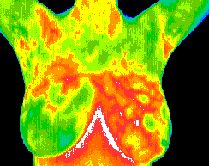
Thermography – It’s Role in Breast Cancer Prevention.

We all see ads promoting early detection as a preventive measure for breast cancer, but is that really prevention? It seems that mainstream medicine focuses on early detection rather than prevention, followed by treatment and ultimately providing palliative care for those patients who are diagnosed with advanced-stage breast cancer. Working as a Naturopath for more than 20 years, a significant part of my life has been dedicated to various areas of preventive health care. My belief in addressing potential diseases at their inception has led me to the field of thermography, precisely because I’ve found that thermography’s most valuable role centers on the prevention of this potentially deadly disease.

Let’s first look at thermography’s role in early detection and survival.

Statistics reveal that one in eight women will develop invasive breast cancer in her lifetime.(2) Thermography undoubtedly plays a prominent role in early detection of breast cancer. More than 800 studies in the past 30 years have established that thermography is an approved adjunctive screening procedure.(3,6) The results of a 10-year study found that thermography alone was the first warning in 60 percent of the cases of women eventually diagnosed with breast cancer.(12) Furthermore, an increased survival rate of 61 percent was observed when a thermogram was used in conjunction with a mammogram.(6) These findings support the importance of incorporating thermography as a valuable adjunct to the early detection of breast cancer.

Thermography can also serve to reduce the frequency by which mammograms are administered, thus reducing the possible risk of exposure to cancer. A current large-scale Norwegian study revealed 22 percent more invasive tumors in a group of women receiving mammograms every two years compared to those receiving one mammogram over a six-year period.(13) These findings appear to suggest that some cancers resolve themselves on their own. So why not use thermography, which poses absolutely no health risks to a woman, as a tool to assist her in making diet and lifestyle changes to actually help decrease a women’s risk for ever developing breast cancer in the first place?

To better understand how this may be possible, we need to first look at how thermography works and more specifically, how it differs from other types of imaging. Thermography is a functional test, as compared to mammography, ultrasound, and MRI, which are structural types of imaging. All are important in detecting signs that may be indicative of breast cancer. Because thermography is a functional rather than a structural test, it doesn’t have the ability to see breast tumors. However, thermography interpretation isn’t hindered by breast tissue density, fibrocysts, large breasts, or implants, which often pose reading challenges for structural tests.

Where thermography excels is in its ability to visualize minute blood vessel and temperature variations that are present, even years before the development of a tumor. (1,4,5,6)

Cancer cells need nutrients to facilitate their growth. As a result, some blood vessels remain open, some are activated, and new ones are formed. The process of these new blood vessel formations, known as neoangiogenesis, results in chemicals emitted that increase surface temperature in the affected tissue. Neoangiogenesis is important when detecting and evaluating breast masses because we know that it takes an average of six to 10 years for the average tumor to grow to be the size of a dime. At this point, it typically begins to expand at a much faster rate and is often palpable. The problem is that at this stage, it is likely to have become invasive. This is extremely important for women in the 20-to-59 age range, when breast cancer is the number one cause of death and tumors tend to be more aggressive. (2) Current mammography screening of premenopausal women can be less sensitive because of the density of the breast tissue.

With the addition of thermography, detecting and monitoring these physiological changes through time can play a significant role in helping a woman to lower her risk through time. An abnormal thermogram is the single most important marker of high risk for the future development of breast cancer.(8) In the absence of other positive tests, an abnormal thermogram can be a warning sign to a woman that she should remain vigilant about her breast health. (7,8) This can give women time to make diet and lifestyle changes to help better balance hormones and subsequently improve breast health.

Many women are not aware that thermography has the ability to detect possible hormone imbalances in the breast tissue. Studies have shown that estrogen is a significant known risk factor for the future development of breast cancer. This relates to thermography because current research reveals that a woman can have up to 50 times more estrogen in her breast tissue than her blood levels indicate.(9) This becomes important regarding how estrogen or estrogen-like compounds called zenoestrogens in our environment can contribute to estrogen dominance. I’ve observed numerous women achieve hormone balance and improve findings on their thermograms in relatively short periods.

Thermography is also instrumental in helping to monitor hormone balance in women taking synthetic or bioidentical hormones. This information can then be used by a women’s health-care practitioner to help maintain her optimal hormone balance. Even foods we eat and products we consume can affect estrogen levels. Exercise and stress management are also important. These lifestyle changes can have a big impact on hormone balance and overall health. With the addition of thermography to a woman’s regular breast health checkup, she receives individualized health-risk assessment.

In my experience, thermography has often been the first indicator of a subsequent breast cancer diagnosis, and I have seen many high-risk patients. I’ve also imaged breast cancer survivors and women undergoing adjuvant and neoadjuvant cancer treatment therapies. These experiences have confirmed the importance that thermography serves a variety of roles in the early detection of breast cancer, regardless of age.

We need to be mindful that more than 80 percent of women who develop breast cancer have no family history of the disease.(2) In addition, the results of a 10-year study concluded that an abnormal thermogram was 10 times more significant than a first-order family history of breast cancer. (7) The vast majority of my patients are forward thinking in regard to taking care of themselves. They are interested in or may already be taking steps to improve their diet, make lifestyle changes, and balance hormones. It’s validating for a woman to know that she can play a principal role in improving her health and lowering her risk through time. I envision thermography in the future not as an alternative to mainstream medicine, but as an essential tool that empowers women to take a proactive role in their overall health.

If you would like to find out more, please contact us @ Ph: 086 1623683.

Works Cited

  1. Ahlgren P., MD, et al.” Is it Time to Reassess the Value of Infrared Breast Imaging?” Primary Care & Cancer (NCI)2 (1998).
  2. American Cancer Society – Breast Cancer Guidelines and Statistics, 2016.
  3. Arora N, et al., “Effectiveness of a Noninvasive Digital Infrared Imaging System in the Detection of Breast Cancer.” Am J Surg. 2008 Oct; 196(4):523-6
  4. Belliveau N., M.D., et al. “Infrared Imaging of the Breast: Initial Reappraisal Using High-Resolution Digital Technology in 100 Successive Cases of Stage I and II Breast Cancer.” The Breast Journal 4 (1998).
  5. Gamigami P., M.D. Atlas of Mammography: New Early Signs in Breast Cancer. Blackwell Science, 1996.
  6. Gautherie M., Ph.D. “Thermobiological Assessment of Benign and Malignant Breast Diseases.” J. Obstet. Gynecol. 147.8 (1983): 861-869.
  7. Gros C., M.D., M. Gautherie, Ph.D. “Breast Thermography and Cancer Risk Prediction.” Cancer1 (1980): 51-56.
  8. Haehnel P., M.D., et al. “Long-Term Assessment of Breast Cancer Risk by Thermal Imaging.” Biomedical Thermology (1980): 279-301.
  9. Jefcoate, C.R., et al: Chapter 5 – Tissue-Specific Synthesis and Oxidative Metabolism of Estrogens. Journal of the National Cancer Institute, No. 27, 95-112, 2000.
  10. Keyserlingk J., M.D. “Time to Reassess the Value of Infrared Breast Imaging?” Oncology News Int. 6.9 (1997).
  11. Nyirjesy I., M.D. et al. “Clinical Evaluation, Mammography and Thermography in the Diagnosis of Breast Carcinoma.” Thermology 1 (1986): 170-173.
  12. Spitalier H. et al., “Does Infrared Thermography Truly have a Role in Present-Day Breast Cancer Management?” in M. Gautherie and E. Albert, eds., Biomedical Thermology: Proceedings of an international Symposium. (New York: A.R. Liss, 1982), 269-78.
  13. Zahl, Per-Henrik, MD, PhD et al., “The Natural History of Invasive Breast Cancers Detected by Screening.” Archives of Internal Medicine. 2008; 168 (21): 2311-2316.

Breast cancer risk from using HRT is ‘twice what was thought’

A woman applies an HRT patch
 The study shows one in 50 women taking the most common HRT for five years will get breast cancer. Photograph: Phanie/Alamy

Study prompts medicines regulator to advise all women using HRT to remain vigilant

The risk of breast cancer from using hormone replacement therapy is double what was previously thought, according to a major piece of research, which confirms that HRT is a direct cause of the cancer.

The findings of the definitive study will cause concern among the 1 million women in the UK and millions more around the world who are using HRT. It finds that the longer women take it, the greater their risk, with the possibility that just one year is risk-free. It also finds that the risk does not go away as soon as women stop taking it, as had been previously assumed.

The UK’s drug licensing body suggested women who have used HRT in the past or use it now should be vigilant for signs of breast cancer in the light of the findings, while the Royal College of GPs urged them not to panic but to consult their doctor if they are concerned.

The research, published in the Lancet medical journal, says one in 50 women of average weight taking the most common form – combined daily oestrogen and progestogen – for five years will get breast cancer as a result.

That risk is twice what was thought, because it continues at some level for 10 or more years after women stop taking HRT. There are about 1 million women in the UK on HRT, 5 million in the rest of Europe and 6 million in the US.

The Medicines and Healthcare Products Regulatory Authority (MHRA) said women who are taking or have ever taken HRT should be vigilant and may want to talk to their doctor next time they have a routine appointment. They should ensure they go for breast screening.

“Women should be aware of this new information, so that it can be considered with the other risks and benefits of using HRT,” said Sarah Branch, the deputy director of the MHRA’s vigilance and risk management of medicines division.

“The menopause can have unpleasant side-effects and HRT products can be effective in helping to ease the symptoms. No medicine is completely without risk, but it is important for women to be able to make an informed decision about the risks and benefits that are appropriate for them.”

The MHRA recommends women should only take hormone therapy at the lowest dose and for the shortest possible time that works for them. The study shows there may be no increased risk for the first year.

HRT has long been linked to breast cancer, and to a lesser extent to ovarian cancer as well. But the issue has been fraught with controversy, pitching supporters of HRT – including many gynaecologists – against the epidemiologists concerned about cancer risks.

The British Menopause Society and the Royal College of Obstetricians and Gynaecologists have strongly defended HRT, which is very effective in alleviating the hot flushes, night sweats and other debilitating symptoms of menopause that can make one in four women’s lives miserable. They have disputed past studies linking HRT to cancer and claimed hormones have other health benefits, including protecting women from heart attacks and strokes, for which the authors of the new study say there is no evidence. HRT does help protect brittle bones, say the authors, but only while women are taking it.

The British Menopause Society rejoiced at the recent guidelines from the National Institute for Health and Clinical Excellence (Nice), which its members helped write. Nice suggested the risks were small – although without quantifying how small. GPs have been urged to prescribe HRT to more women as a result.

“We really are concerned that many GPs have been saying it is not something you really have to worry about,” said Prof Valerie Beral from the University of Oxford, a co-author of the study. The scientists say the Nice guidelines should now be reconsidered.

Nice said it is aware of the new research. “We will be reflecting on this study’s findings and considering it in our final decision as to whether we will update our menopause guidelines, a decision on which we will publish in due course,” said a spokesperson.

Sir Richard Peto, professor of medical statistics and epidemiology at the Nuffield department of population health, University of Oxford, said they could now be certain that HRT is a cause of about 5% of breast cancers. The cancer risk increases with the length of time women are on hormones and the cancers tend to be oestrogen receptor-positive, which means they are driven by oestrogen. Women who are given drugs that dry up their oestrogen supply – like tamoxifen – get high protection against the tumours returning.

“These are cause and effect relationships,” said Peto. “It is not just an association that exists, because the menopausal hormone therapy is causing the increase in breast cancer.

“The big problem is how to describe the one in 50 risk,” he said. They did not want to exaggerate it, nor did they want to play it down. “On current websites, [the risks] are misrepresented,” he said.

The paper, by the global Collaborative Group on Hormonal Factors in Breast Cancer, pulled together data from 58 studies around the world on more than 108,000 women who had developed breast cancer after taking menopausal hormone therapy (MHT) – they say “replacement” therapy or HRT is a misnomer and a marketing description.

In western countries, 6.3% of women of average weight will develop breast cancer over the 20 years from the age of 50 without any hormone therapy. The study found that rose to 8.3% among women taking the most common hormonal combination – oestrogen plus daily progestogen.

The odds were better (7.7%) for women who took progestogen only intermittently, maybe for 10 to 14 days a month. Those who took oestrogen only, because they did not need progestogen to protect from womb cancer after a hysterectomy, had a risk of 6.8%.

Women who are obese are at increased risk of breast cancer because their adipose (fat) tissue produces extra oestrogen after the menopause. The study found that taking HRT did not further increase their risk.

Baroness Delyth Morgan, the chief executive of Breast Cancer Care and Breast Cancer Now, said the longer-term effect of HRT might be an important consideration for women. “Taking HRT is a really personal decision, and it’s vital that everyone fully understands the benefits and risks, discusses them with their GP and is supported to make the decision that’s right for them,” she said. “Rather than causing concern, we hope [the findings] will help anyone considering HRT treatment to make an even more informed decision.”

Other scientists said the study was well conducted. Kevin McConway, emeritus professor of applied statistics at The Open University, called it “a very careful, thorough, excellent piece of research”. Stephen Evans, professor of pharmacoepidemiology at the London School of Hygiene and Tropical Medicine, called it “a tour de forcein what has been done and the way it has been done – the findings cannot be dismissed”.

But the Royal College of Obstetricians and Gynaecologists, in a joint statement with the British Menopause Society, said the findings were in line with the Nice guidelines that showed a “small increased risk”.

“Women and doctors should be reassured that the findings of this study do not add anything new in terms of the effects of hormone replacement therapy. Research shows that, for most women, HRT helps to manage menopausal symptoms and is safe,” said gynaecologist Prof Janice Rymer, the vice-president of the college.

“Women must be informed of the small increase in risk of breast cancer so they can weigh this up against the benefits that they may have from taking HRT. Every woman experiences the menopause differently and symptoms vary. These can be extremely debilitating and have a significant impact on a woman’s physical and psychological health, career, social life and relationships. Unfortunately, many women are still suffering in silence and are reluctant to seek advice and support due to concerns around the risks of breast cancer associated with HRT.”

The Royal College of GPs urged patients not to panic and to carry on taking their HRT, and GPs to carry on as normal “until clinical guidelines recommend otherwise. If a patient is concerned about her HRT prescription, she should discuss it with her GP at her next routine appointment.”

Is Hormone Replacement Therapy (HRT) Safe for You?

Is Hormone Replacement Therapy (HRT) Safe for You?

Perhaps there’s no topic of greater confusion to women than the highly publicised introduction of hormone replacement therapy (HRT) for menopause. In a nutshell, the purpose of HRT is to replace hormones that decline from perimenopause onwards. There are various combinations of oestrogen and progesterone (EPT) or oestrogen (ET) only therapies. Delivery systems include patches, creams, tablets or intrauterine devices (IUDs).

HRT is prescribed for symptomatic relief of menopause (hot flushes, loss of libido, vaginal dryness, and insomnia, among others). It may also be prescribed as protection against colorectal cancer and to reduce the risk of diseases associated with oestrogen deficiency such as osteoporosis(prophylactic therapy). Although many women praise the benefits of HRT, it has its negative side which women need to understand in order to make an educated choice. With so many side effects and complications, a woman must think very carefully about the decision to use HRT. Unfortunately, most doctors will tell her that there’s no alternative.

Side effects of HRT

  • Undiagnosed vaginal bleeding
  • Liver disease
  • Coronary artery disease and thrombosis
  • Hormone-dependent neoplasms
  • Increased risk of breast cancer and endometrial cancer
  • Increased body fat and impaired blood sugar control (hypoglycaemia)
  • Salt and fluid retention
  • Depression and headaches
  • Loss of zinc and retention of copper
  • Reduced oxygen levels in all cells
  • Thickened bile and increased risk of gall bladder disease
  • Increased likelihood of fibrocystic breasts and uterine fibroids
  • Interference with thyroid activity
  • Decreased sex drive
  • Excessive blood clotting
  • Reduced vascular tone
  • Endometriosis, uterine cramping and infertility
  • Restraint of osteoclast activity

In order to understand the HRT debate, it is important first to know the female cyclic nature. Traditionally, it has been thought that menopause occurs when the eggs in the ovaries are all used up. However, recent work has shown that menopause is probably not triggered by the ovaries but by the hypothalamic pituitary adrenal (HPA) axis in the brain. It seems that both puberty and menopause are actually brain-driven events.

According to Leslie Kenton, author of Passage to Power, “Everybody who is anybody will tell you that menopause is an oestrogen-deficiency disease and that you will need to take more oestrogen as you approach mid-life. What may surprise you is this: not only is most of such commonly given advice on menopause wrong; a great deal of it can be dangerous”. Fortunately, there is another side to the hormone story that can help women of all ages not only attain greater health, but also reclaim a greater sense of power, responsibility and dignity in their lives.

What is the ROOT CAUSE of hormonal imbalances?

For women who already have an issue with hormone metabolism, synthetic or natural hormone replacement is literally poison to the body. The same is true in most cases of chronic hormonal imbalance. If your hormones are out of balance, adding in all of the separate hormones you are deficient in makes zero sense to me. Besides the fact that this is not how we’re meant to keep our hormones balanced, this can be extremely hard on the body, especially the liver and adrenals. Hormonal imbalances have many facets: a sluggish liver, stressed adrenals, blood sugar problems, gut issues, thyroid health and a copper<>iron dysregulation (and these are all connected too!).

How is  copper<>iron  imbalance related to hormonal health?

In the mineral balancing world, we know that estrogen and copper go hand in hand, just like zinc goes along with testosterone and progesterone. Women are copper dominant and men are zinc dominant. When the liver and adrenals are stressed, they have a VERY hard time keeping copper and zinc balanced.

How to truly fix a hormonal balance

1) Heal your Liver and get that bile flowing!

2) Heal your Adrenals. Copper<>iron dysregulation

3Reducing environmental toxins is also an essential step to healing your liver and hormones.  

4) SLEEP!!!! Sleep is perhaps the number 1 most critical thing needed to heal from every illness. 

5) Balance your minerals. As mentioned above, copper<>iron dysregulation is involved in hormonal issues. Get an HTMA and a blood panel details of recommended blood test are available from  Thermography Clinic Ireland. HTMA also can give us insight on how well your adrenals, thyroid, blood sugar handling, gut and liver are working all of these components need to be addressed when dealing with Hormone Imbalance.

“You cannot pour from an empty cup.”  If you are healing from any illness, you have to focus on yourself as much as you can in order to truly heal.  This may be hard for a lot of people but it is crucial!

How Routine Mammography Screening Leads to Overdiagnosis & Overtreatment

Around 40,000 individual women die of breast cancer each and every year. Sisters. Mothers. Daughters. Spouses. Friends. For each of these women and their loved ones breast cancer is a personal tragedy.

Breast cancer is also a public health crisis and social justice issue. Despite decades of awareness campaigns, breast cancer is the second leading cause of cancer death for women in the U.S. And a woman’s chances of surviving a diagnosis are significantly impacted by her race, as well as socioeconomic status and where she lives.

The mainstream breast cancer movement tells us that if we just make sure that every woman gets a routine mammogram, we can fix this. It tells us fewer women will die if they get mammograms, and that the answer to the unacceptable inequities in survival can be addressed by expanding access to mammograms. But the facts tell a very different story.

After more than 30 years of widespread promotion of routine breast cancer screening for women at average risk, an undeniable body of research shows the significant harms and limited benefits of population-based screening. The truth is that widespread mammography screening has failed to dramatically reduce the number of deaths from breast cancer.

Last week, a new study in the New England Journal of Medicine added to the compelling evidence that for a majority of asymptomatic women at average risk of breast cancer, the harms of screening may outweigh the benefit.

Researchers from Dartmouth College and the National Cancer Institute (NCI), examined data from the Surveillance, Epidemiology, and End Results (SEER) program looked at the size of breast cancer tumors among women age 40 and older. They examined 37 years’ worth of data, dividing into two time periods, before and after widespread adoption of population-based mammography screening.

Researchers compared the proportion of small (less than two centimeters) versus large tumors (two centimeters or larger) that were detected after the introduction of mammography screening. By focusing on the size of the tumor, an important part of determining what stage the cancer is, the researchers tested the theory that if mammography screening is able to catch more small cancers, there should be a reduction in the number of large tumors diagnosed. The underlying assumption is if there are fewer large tumors, there will then be a reduction in deaths from breast cancer.

What they found is that more small breast cancer tumors were detected after the onset of routine mammography screening, but the number of larger tumors did not go down proportionately. There was only a modest reduction in the incidence of large tumors compared with a much larger increase in the incidence of small tumors found through mammography screening. The researchers calculated that 132 out of the 162 tumors detected per 100,000 women were small cancers that were not likely to grow large enough to cause symptoms or death.

Another way of saying this is that four out of five (81%) of the tumors actually represented overdiagnosis, or a diagnosis of breast cancer that would never cause symptoms or lead to death.

prior study published in the New England Journal of Medicine in 2012 found that women who had mammography screening were just as likely to die as women who didn’t have mammograms. In 2014, the British Medical Journal published the largest mammography study to date, finding that screening average-risk women – before they could feel a lump in their breasts – did not lead to lower breast-cancer death rates for those in their 40s and 50s. The National Cancer Institute came to a similar conclusion in an analysis of multiple mammography studies involving nearly a half-million women: “Screening for breast cancer does not affect overall mortality.” Indeed an editorial in JAMA last year clearly explains that, “85% of women in their 40s and 50s who die of breast cancer would have died regardless of mammography screening.”

While some breast cancers are very aggressive, most are slow growing, taking a decade or more to become detectable. Many of these slowest growing cancers would never become a problem for women and would not be found were it not for the mammogram we are entreated to get.

Overdiagnosis is a side effect of looking for early forms of disease via routine mammography screening programs. Overdiagnosis is not observable in the clinic with individual women; it becomes evident only through large-scale modeling and statistical analysis. Estimates on overdiagnosis of breast cancers found through screening vary widely, from less than 5% to the latest estimate of more than 80%. The Swiss Medical Board in 2014 provided a widely accepted estimate that 21.9% of breast cancers found through mammography screening represent overdiagnosis.

Overdiagnosis, in turn, leads to overtreatment, which is the treatment of clinically insignificant disease, essentially giving too much treatment without benefit to the patient. Treating a cancer that is not life-threatening leads to significant harm for women. Accepting the Swiss Medical Board estimates, that means one in five women who was told she had breast cancer after her mammogram received unnecessary treatment for cancer. The result is that tens of thousands of women in the U.S. each year are treated unnecessarily for breast cancer and undergo surgery, radiation and chemotherapy for tumors that are not and never would be life threatening.

The immediate effects of surgery, radiation, chemotherapy and other systemic therapies are widely known and can include breast removal, pain and scarring, hair loss, nausea, skin burns, etc. Less commonly discussed, many women experience a range of long-term effects that include physical and health harms such as disability, neuropathy, lymphedema, heart disease, infertility, and secondary cancers; financial consequences from medical debt to un- and under-employment; the psychological toll of having been diagnosed with cancer; and other quality of life impacts of treatment such as issues with sexuality, “chemobrain,” and others.

Doctors cannot look at their patients and know which patients did not benefit from treatment–and so they tend to say that every patient is better for treatment. Women cannot know if their life was saved or not – and understandably tend to think that the mammogram that found their cancer saved their life.

That tens of thousands of women are treated for breast cancer may have gone through all of that for nothing is devastating on a personal and societal level. Women who have felt that their mammogram saved their life may suddenly wonder if they were unnecessarily harmed by screening. Doctors who seek to cure are forced to look directly at the harms of treatment they provide. And we all must contend with the fact that the solution we were promised – screening, early and often – is not ending the breast cancer epidemic

The public has been sold a false bill of goods by mainstream cancer charities, which for years have been pushing the simple story that annual mammography screening is the silver bullet to the breast cancer epidemic despite clear and mounting evidence to the contrary. In 2014 the Swiss Medical Board said boldly in the New England Journal of Medicine that mammography screening is “hard to justify”. The mantra “early detection saves lives” seems intuitive but is wrong, and annual screening seems like a good idea–except the evidence shows it just doesn’t do what we need it to. Even the American Cancer Society, which has long focused their approach on screening, last year adopted updated recommendations that acknowledge the balance does not clearly tip either for or against mammography screening for many women. Each woman must weigh the evidence and make her own decisions based on her known risk factors, values and preferences.

Unfortunately, the problem is the premise of “early detection” itself, not only limitations of the tool. Other screening modalities like ultrasound or MRI also bring the very same issues of false positives, false negatives, overdiagnosis, overtreatment, and cannot overcome the failures of current treatments to save lives. Early detection has not lived up to the promise: it has created a population of over-diagnosed breast cancer “survivors” without actually saving significantly more lives. We will never address and end the breast cancer epidemic simply through breast cancer screening, regardless of the screening tool; we need more effective, less toxic treatments that keep women from dying of breast cancer, and we need to prevent breast cancer in the first place.

Thermography: The Benefits of Thermal Imaging for Thyroid Disorders

What is Thermography?

Thermography is also known as Digital Infrared Thermal Imaging. Thermographic scanners measure the infrared waves (heat) emitted by your body and translate it into thermal images. Thermography detects areas of localized, increased temperature, which usually correlates with inflammation or tissue abnormalities. Those areas can be viewed as “hot spots” of existing or potential problems. To put it simply, if an area of your body starts to get “hot”, it’s going to do so at a very early stage in the disease or injury process. This gives you an early warning and head-start to further investigate changes in your body and eliminate the sources of inflammation.

Since there is a high degree of thermal symmetry in the normal body, subtle abnormal temperature asymmetries can be easily identified. In healthy people there is a symmetrical thermal pattern that is consistent and reproducible for that individual. Thermography measures temperature and compares symmetry or asymmetry as it pertains to the right and left side of the body.  Injury or disease will result in thermal asymmetries.

Thermography has been in use for years

You may be wondering why you have never heard of thermography. Thermography has a long history. Breast thermography was discovered in 1956 in Montreal, Canada and rapidly became popular throughout the world. It was FDA cleared and then certified by the American Medical Association as an adjunctive screening procedure for breast cancer in 1982. Recent advancements in technology have allowed us to perform even more accurate exams. A 2008 study published in The American Journal of Surgery, performed at New York Presbyterian Hospital Cornell, showed a 97% sensitivity in discriminating breast cancer compared to biopsy.

It takes years for a mass or tumor to grow to the size when it can be seen by a mammogram.  That’s how long it takes for the cells of an average growing cancer to grow to about the size of a pea (about 1 cm) and most often does not appear in a mammogram if any smaller than this. The Biomedical Engineering Handbook says: “In 1982, the FDA approved breast thermography as an adjunctive breast cancer screening procedure. Breast thermography has the ability to detect the first signs that a cancer may be forming up to 10 years before any other procedure can detect it.”

Although medical thermography has been around for several decades, it has not received the attention and credit it deserves from the medical establishment. However, more and more patients are becoming aware of this amazing technology – with no radiation, no pain, and no body contact – and it’s not unusual that the patient is the one who ends up informing their physician about thermography. This is not to suggest that thermography should replace mammograms but rather to serve as a helpful adjunct to provide the earliest detection of breast cancer possible.

Is Thermography just for women?

Absolutely not. The information gained from a thermogram is valuable to men and women, of all ages. Thermography can be used to detect health conditions from cancers, back and neck pain, injuries and fractures, neuropathy, hormonal imbalances, arthritis, dental problems, carpal tunnel syndrome, heart disease, digestive disorders, infections and more.

Inflammation is the root of most – or even all – chronic diseases

In addition to an optimal diet, keeping the bodys flow systems functioning is the key to reducing inflammation and disease in our bodys ecosystem. If our flow systems are stagnant, we will be holding on to “pond” water – microbial and metabolic waste overgrowth. Movement will keep our systems flowing and breakdown all of our body’s chemical reactions whether it be nutrients, hormones, microbes, or metabolic wastes (just to name a few). The terrain of our body requires motion and flow- just like the ecosystem of our earth. Stagnation equals overgrowth of pond water which equals inflammation which equals the onset of disease.

What does Thermography have to do with your Thyroid?

Many times thyroid issues will link back to poor digestion based on the chemistry of HCL (stomach acid) and digestive enzymes. Another consideration, which is rarely mentioned, is congestion or slow moving flow systems due to muscular spasms/tension patterns in the head, neck, and shoulders. Muscular tension is pressure that can slow down lymphatic flow, circulation, and nerve messaging. All of which are important and necessary for the thyroid and everything else in the head and neck and below. Many times Thermography will show an enlarged thyroid or nodules before any blood test will have hormonal markers. So often one body part is targeted as an issue when actually, assessing the flow systems is the best way to open the entire body up for cleansing, support, and healing.

Lymphatic flow drains our toxins and wastes. Blood carries our nutrients and oxygen to the area as nerve flow sends messages. Imagine if your thyroid didn’t quite get the message from the nervous system to help it function optimally. It’s like a cellphone getting poor service. Keeping the head, neck, shoulders relaxed and moving is important as tension patterns will cause more than a tight feeling in your neck.

Restore your thyroid flow

Thermography as an assessment tool has been very rewarding for me personally and for my patients. As an advocate for self-care I am always very pleased to see the differences in the thermal imaging reports once the baseline is completed. It has proven that taking the time to care for yourself is a major benefit for overall health. This is one of the major benefits of thermography- seeing the inflammatory pathways and the response your body has to self-care. Here are some simple tips to restore the flow within the head, neck, and shoulders that can benefit the thyroid gland.

Final thoughts

Very often Thyroid dysfunction is not picked up on standard blood tests. Therefore including Thermography imaging of the Thyroid gland, is a great place to start. lf the images are suggestive of altered thyroid function or the presence of nodules . More detailed testing can then be offered to establish the root cause of the dysfunction.

error: Content is protected !!