News

Copper IUDs: What your doctor doesn’t know may be harming you

What is a Copper IUD and How Does it Work?

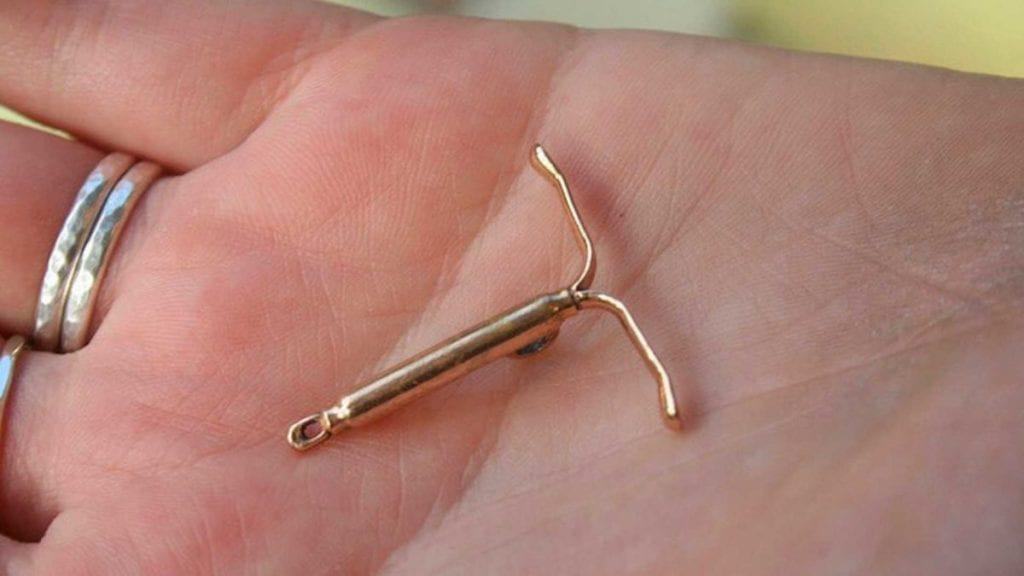
Per the Mayo Clinic’s definition, a copper IUD is an intrauterine device (IUD) that’s inserted into the uterus for long-term birth control (up to 10 years). It is a T-shaped plastic frame with copper wire coiled around the stem and two copper sleeves along the arms that continuously release copper into the lining of the uterus. This process produces an inflammatory reaction in the uterus that is toxic to sperm, which helps prevent fertilization.

Copper IUD Claims

Proponents of the copper IUD make a lot of claims that it is a better and safer form of birth control, even citing studies that copper ion levels released by IUDs are too tiny to impair human health. The two main claims that I will debunk that are completely false are:

  • Decreases the risk of endometrial cancer and possibly cervical cancer.
  • Doesn’t carry the risk of side effects related to hormonal birth control methods.

These claims couldn’t be further from the truth, with many women painfully finding this out the hard way. In fact, I have yet to work with a single woman in my practice that hasn’t been adversely affected by the copper IUD.

Copper IUD Side-effects and Myths

Commonly disclosed side-effects include: cramping, bleeding between periods, and severe menstrual pain, but this only a very small part of the overall story when it comes to copper and females.

The overarching narrative to this story is that copper and estrogen share a very intimate relationship with one another because estrogen increases copper retention in the body. It has been estimated that almost 85% of females (of all age ranges) are adversely affected by a common, yet little known condition called copper overload or copper toxicity, and have no idea it’s the cause of their distress. This makes implantation of a copper IUD in a female that is already (and usually unknowingly) overloaded in copper a recipe for disaster.

To make matters worse, few doctors are aware of this condition, thus unintentionally prescribing hormones and/or devices that could negatively impact your health and well-being.

As a metal, copper is a great conductor of energy, (you know how that energizer bunny keeps going and going) which gives credence to symptoms of insomnia, racing thoughts, heart palpitations, and dizziness after a copper IUD is inserted, symptoms all of my female clients have complained about after trying this method of birth control.

Copper and Cancer

As I mentioned previously, estrogen increases copper retention in the body. We live in an estrogen dominant world and it is well documented that estrogen dominance plays a direct role in the development of many cancers, including those of the breast, ovaries, and cervix.

Additionally, impaired methylation synthesis is also a major factor in today’s soaring cancer rates. You can view the research here.

With copper high, other minerals become imbalalnced .

Other Things to Consider With a Copper IUD

Practitioners are often told to inform patients that adverse menstrual irregularities will eventually subside after insertion of a copper IUD, but I have found the opposite to be true. Disorders such as endometriosis, polycystic ovarian syndrome (PCOS), premenstrual dysphoric disorder (PMDD), and premenstrual syndrome (PMS) actually tend to increase in severity and duration after a copper IUD is implanted.

Additionally, copper is a major player in ADHD/ADD, Alzheimer’s disease, autism, hyperactivity (especially in children) bipolar disorders, fibromyalgia, and paranoid schizophrenia.

TESTING FOR COPPER DYSREGULATION:

A hair tissue mineral analysis is a huge part of the healing process. This will not only show you the relationship between your minerals, eg magnesium and calcium levels both play a part in regulating copper. but it will also give you an idea on the state of your adrenal glands. Strong adrenals are needed to balance copper. An HTMA will also give insight on what is going on with liver function.

The blood tests that are very helpful are copper serum, plasma zinc and ceruloplasmin among other serum markers.. 

If you are on any kind of birth control, have been diagnosed with estrogen dominance, or are in the post-partum period, it would be very crucial for you to test for copper dysregulation.  Copper can triple while we are pregnant- if we are depleted during or after the birth, then it is common for us to hold onto this excess copper instead of excreting it like we are supposed to.

Final Thoughts

Copper dysregulation is a very treatable condition, so when it comes to healing, I like the idea of rebuilding and nourishing the body to allow it to heal itself.

Stop Chasing Symptoms And Focus On Healing Your Body

  • When we look at the world of natural health, it is like our eyes are finally open for the first time. There is SO much information out there about healing and it can easily get overwhelming.

There are a few main root causes for a large majority of our health issues. We all just manifest these issues differently thanks to our biochemical individuality. In conventional medicine, they aim to match a drug to a diagnosis with no regard for the person as an individual. In true natural health, we aim to heal the person as a whole so that all issues can be taken care of. The body itself might be complex, but we all need the same basic roots to achieve better health.

I see people chase after symptoms, labels, diagnoses, nutrients, and so many other rabbit holes searching for that ONE thing that is going to heal them. There is no one supplement, food, or herb that is going to solve all of your health issues- there are always many facets involved.


ESTABLISH THE ROOT CAUSE OF YOUR ILLNESSES:

  • Gut Dysfunction: The gut is one of the most important parts of our health. When our gut is not functioning we can deal with any number of health issues. Anxiety, depression, fatigue, chronic headaches, joint pain, and so much more can be due to gut dysfunction. Plus if your gut is not working, you cannot absorb the nutrients you are eating from your food! So instead of supplementing dozens of nutrients because you are deficient, first make sure your gut is functioning.
  • Nutrition: Most of the food in our diets today are highly processed and consist of foods filled with preservatives and artificial ingredients. These foods will not nourish and replenish our body. Using multivitamins or synthetic nutrients to reverse the damage and allow healing will not work, in most cases this strategy will increase the toxic burden and mineral dysregulation within the body. This is where HTMA can be invaluable so you can see what YOU are lacking, and you can adjust your diet accordingly. Your nutrition will influence EVERYTHING in your body- liver, adrenals, thyroid, brain, colon, etc. It is one of the most important aspects to work on.
  • Detox ability: Our liver, lymph, kidneys, colon, and skin are all important for detoxing. When we get weak or overloaded with toxins, it is hard for our bodies to function. We can harbor pathogens or just toxins in general, which can drain us of much needed nutrients and energy. Depending on what issues we have, it can take a long time to fully replenish our nutrients because as we start to heal we will use up those nutrients to detox and rebuild.
  • Environment: This can be a rough one because there is only so much that we can control.  Just do your best in your home!  Deodorant, makeup, shampoo, toothpaste, dish soap, etc are just some examples of things that tend to be big offenders for toxins that can mess with our liver function, and they can have very negative impacts on our endocrine function. 
  • Underlying Issues: this can include infections, heavy metals, stress, or even emotional trauma. These can start getting resolved as you work on the above, and usually it is better to build up your foundation before jumping into these issues too.

EVERYTHING IS CONNECTED!

Everything is connected! Healing your gut will help to heal the rest of your body. Working on effective detox will help with taking stress off of other organs. Getting better nutrition will help your body to heal faster. Reducing environmental toxins and working on underlying issues will help to speed things up as well.

The sad truth is that many people are really sick right now. But the more we can take our healing into our own hands, the more we will truly be able to heal and not get dependent on pharmaceutical drugs and synthetic supplements that have the potential to create more damage in the long run. Real change lies with us! A HTMA is a great place to start. This test will give an insight to your nutritional status, gut and liver functioning, how your body is handling sugar, and also endocrine function including thyroid, adrenals and hormonal status.

New research links excessive oxalates to breast cancer

by: Dr. Veronique Desaulniers |

oxalate-test

Information about little-known compounds called oxalates can be confusing and conflicting. They are often equated with the “bad” substances in foods but, in reality, oxalates are neither good nor bad. They can become problematic, however, when too many of them accumulate in the body.

When there’s too many oxalates – they can overwhelm the kidneys and lead to kidney stones and immune deficiency. Plus, according to a recent study, high levels of oxalate in the mammary area has been linked to breast cancer tumor growth as well.

Most oxalates are formed by the body itself

Oxalates (COOH), or oxalic acid, are strongly acidic substances that help both plants and animals in metabolization. About 60% to 80% of oxalates are formed by the body’s functions themselves. The other 20 to 40% of oxalates come from food.

Most fruits and vegetables contain a small amount of oxalatic acid and they are found in the leaves of plants as opposed to the roots, stalks and stems. The following foods contain a high amount of oxalates overall:

  • Rhubarb
  • Chocolate
  • Spinach
  • Beet greens
  • Swiss chard
  • Some nuts, especially almonds, cashews and peanuts
  • Some berries, especially gooseberries
  • Lemon and lime peel
  • Some grains and pastas (except brown rice)
  • Some legumes, especially navy beans, black beans and soybeans
  • Okra
  • Parsley

How are oxalates linked to breast cancer?

Oxalates are oxidizing substances. As such, they are extremely volatile and can be damaging to tissue in large amounts. Oxalate crystals cause the formation of kidney stones which can block the flow of urine and lead to kidney infection and bladder cancer.

These crystals are also razor sharp and can cause direct damage and long-lasting inflammation to whatever internal tissues they come into contact with. Oxalate-iron crystals can lead to iron depletion. When calcium-oxalate crystals form, they can lodge in internal organs and in bone. As they grow, they will crowd out bone marrow leading to immune deficiency and anemia.

Did you know?  The liver is the most important detoxifying organ in the body.  When the liver can’t effectively neutralize and dispose of toxins, they accumulate in the body.  Excess oxalates also have the ability to chelate heavy metals. Unlike other chelators, however, oxalates trap metals like mercury and lead in tissues. Excess oxalate has been linked to fibromyalgia, vulvodynia (vulvar pain), digestive disorders and autism.

The most startling new connection between excess oxalates and disease has to do with breast cancer, however. A 2015 study conducted by the National University of Cordova in Argentina compared the oxalate levels of breast cancer tumor tissue and regular breast tissue. They found that “all tested breast tumor tissues contain a higher concentration of oxalates than their counterpart non-pathological breast tissue.”

The researchers also discovered that oxalatic acid caused tumor proliferation and stimulated the expression of pro-tumor genes. Surprisingly, proliferation did not happen when oxalate was injected into the backs of laboratory mice. This indicates that high oxalate levels do not induce cancer tumor growth in all types of tissue.

Three ways to reduce your oxalate levels

1. Obtain calcium from natural foodsCalcium has an interesting relationship with oxalates.  Approximately 5-15% of the world population will develop some form of kidney stone. Of those, 80% will be calcium-oxalate stones. When calcium is combined with foods that are high in oxalates within the intestines, the two together form an oxalate-calcium crystal that the body cannot absorb.

When this happens, a “stone” is formed that will make its way to the kidneys to eventually be eliminated in the urine. The presence of oxalate-calcium crystals which can block urine flow and cause kidney infection can also lead to a higher risk of renal, pelvis and bladder cancers.  These same kinds of crystals can also form in the lungs, nerves, brain, bones, blood vessels and joints.

Does this mean that if you are prone to kidney stones, you should limit calcium intake?  Not necessarily. Research conducted on vegetarians found that they did not have higher than normal rates of calcium deficiency nor osteoporosis caused by oxalate interference.

In fact, according to a 2014 study published in the European Journal of Epidemiology, vegetarians had a lower rate of kidney stones than meat eaters did. Those who consumed calcium supplements on a regular basis, however, have shown time and again to have higher rates of kidney stones.  Calcium supplementation has also been linked to both prostate and breast cancer. Stick to natural and preferably vegetable and fruit-based sources of calcium to avoid both kidney stones and cancer.

2. Be aware of your protein intake, especially if you are a meat-eater: Be cautious when it comes to the protein, especially if it is derived from meat and dairy. Oxalates are produced from amino acids in the liver.

3. Maintain good intestinal flora: According to research, some individuals have a physiology that is prone to higher levels of oxalate uptake in the digestive tract (thus, a higher risk of kidney stones). Although there is evidence to suggest that hereditary disposition plays a role for some people, there is also a strong link between kidney stone formation and disorders of the digestive system, such as inflammatory bowel disease, leaky gut and Crohn’s.

Could oxalate hyper-absorption have more to do with extreme gut flora imbalance than genetics? The jury is still out on that one. What is known, however, is that it is the job of specific flora, in particular, certain species of Oxalobacter formigenes, Lactobacillus, and Bifidobacteria, to process oxalatic acid and prepare it for absorption. Currently, there are several studies underway which focus on the role of oral probiotics in this process.

Let food work for you to keep oxalate levels in balance

Remember that problems only emerge when there is an excess of oxalates in the system. The standard American diet contributes to oxalate overload but you can also keep it in check through being proactive with prevention. Eating anti-oxidant rich food, consuming citrate-rich lemon and lime juice (which experts say can help prevent calcium-oxalate kidney stones), staying hydrated and watching your salt intake are other ways to keep kidney stones in check.

Also, don’t let fear of kidney stones prevent you from getting adequate amounts of vitamin C . One of the ways that oxalates are formed is through conversion from vitamin C. However, studies thus far have been inclusive as to whether high vitamin C intake actually leads to increased oxalate production.

Dense Breasts and Breast Cancer: Is There a Link?

densebreast_breastcancer

In 2003, Dr. Nancy M. Cappello got her regular mammogram, and a clean bill of health. But six weeks later, her doctor felt a lump in her breast during a physical exam. Another mammogram did not see the lump, but a subsequent ultrasound did. Cappello was shocked to discover that she had stage 3C Breast Cancer which had spread to 13 lymph nodes. Her doctor explained that because she had a condition called “Dense Breasts,” the lump could not be detected through mammography.

What Is Dense Breast Syndrome?

 “Dense Breasts” or “Dense Breast Syndrome (DBS)” indicates breasts that have more glandular and supportive tissue than fatty tissue. According to the Mayo Clinic, about 4 in 10 women have scattered areas of dense tissue, roughly 4 in 10 women have mostly dense tissue, and about 1 in 10 women have breasts that are extremely dense.

It was once believed that dense breast syndrome was mostly hereditary. Now there is some evidence to suggest that breast density may be influenced by lifestyle, including certain medications as well as hormonal changes.  Dense Breast Syndrome can affect young women in particular.

Does Dense Breast Syndrome Mean a Higher Risk of Breast Cancer?

mammography breast scan X-ray image

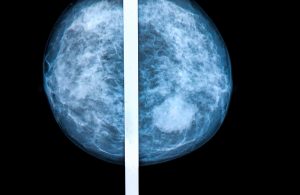
This is a tricky question. According to conventional medicine, the answer would be yes. However, investigations thus far have been solely based on analysis of mammography screenings over time. When breast tissue is denser, it is harder for tumors to be detected by mammography x-rays.

For example, a 2018 Norwegian study of over 100,00 individuals aged 50 to 69 found that “screening examinations of women having dense breasts showed higher rates of recall and biopsy, and higher odds of screen-detected and interval breast cancers than women with non-dense breasts.”

The main take away of this statement can be that if a person relies on mammography alone to check for Breast Cancer, there is a good chance that it will go unnoticed. Unfortunately, women with Dense Breasts are also exposed to more mammograms and biopsies than those who don’t have the condition. A little less than half of the states in the U.S. require that doctors encourage those with dense breast tissue of any level be scheduled for additional mammography exams as well as other imaging procedures such as PET, MRI and ultrasound.

Mammography screening, if used as a stand alone tool,  simply cannot fully provide very accurate and very early detection . While no screening method is 100% accurate, thermography uses heat and light to detect physiological changes in the breast tissue, that could potentially be cancerous approximately six to eight years before any palpable mass may appear. Sadly, Dr. Nancy Capello passed away at the very young age of 66.  But she has left a legacy of information about the challenges with Dense Breasts. 

Changing Laws and Changing Times

From 2003 until her death last year, Cappello would lead the charge for legislation concerning Dense Breasts. A large part of her passion was education. This included the creation of her website,AreYouDense.org. Dr. Cappello also changed the law in her home state of Connecticut and elsewhere. In many states, it is now required that women be informed if they have DBS. It is also mandatory for insurance companies in many states to cover ultrasound screening for them in particular.

That being said, the jury is still out as to whether having DBS in itself can raise risk the of Breast Cancer. 

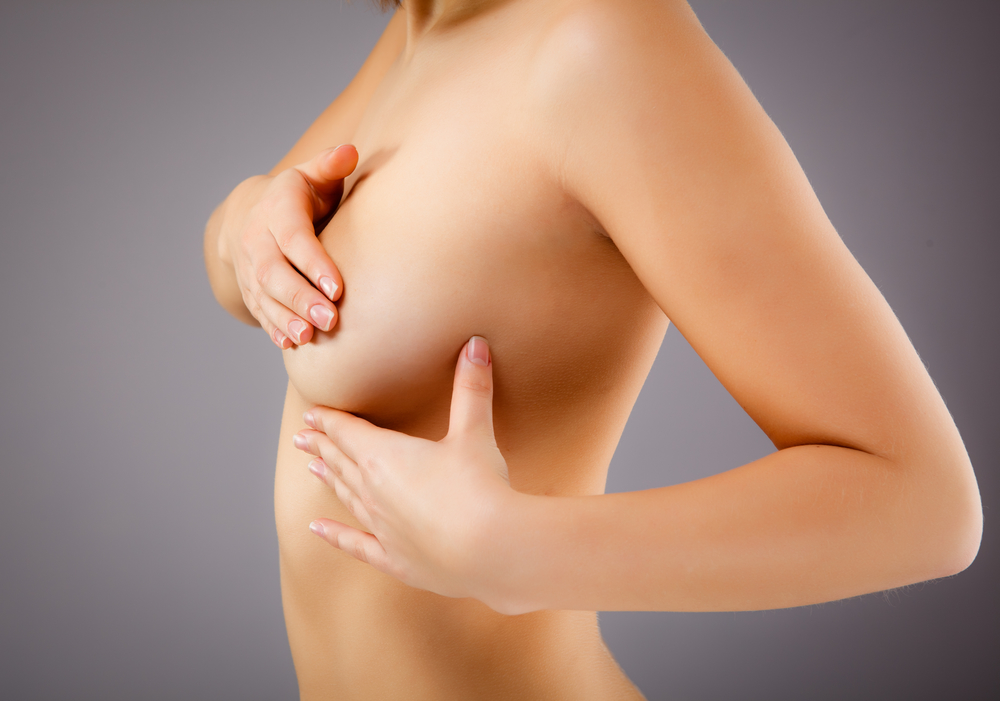
What does all this mean for you? It means you should take a proactive stance in relation to your Breast Health. Consider including Thermography as a breast assessment tool, and identify any change of function in the breast tissue years before a lump is discovered. This information can allow you to restore your Breast Health by working with a qualified therapist. Learn how to do a proper and regular breast self-exam and become familiar with your own breasts.

Is There a Link Between Hormonal Imbalance and Breast Cancer?

Is There a Link Between Hormonal Imbalance and Breast Cancer?

There is a clear increase in a woman’s chances of getting breast cancer as they age, in particular once they get into their 40′s, 50′s and beyond. Why would there be such an increase in breast cancer rates in women at this age? What is the significance of this time in a woman’s life?

Hormone Imbalances and Estrogen Dominance

During this time, a woman is likely experiencing hormonal imbalance as she enters peri-menopause, and eventually menopause. The primary reasons for this imbalance are:

  • declining levels of progesterone that occurs with aging, surgical removal of the ovaries or excessive stress (high cortisol equals low progesterone)
  • higher levels of estrogen as the body struggles make an egg from aging ovaries
  • accumulation of environmental hormone disruptors in the body from a lifetime of exposure to pollutants, plastics and pesticides (all contain xeno-estrogens)
  • use of oral contraceptives (past or current)
  • synthetic hormone replacement therapy
  • an unhealthy digestive tract (where hormones are removed from the body)

These factors can contribute to an excess of estrogen in the body known as Estrogen Dominance.  Since estrogen stimulates cell growth, a predominance of it, especially in the absence of adequate levels of progesterone, presents an increased risk of cancer, particularly in the breast.

Don’t get me wrong, estrogen is not a demon!  It is all about balance.  To better understand, let’s explore the relationship of estrogen to cell growth, particularly in the breast.  Humans produce three types of estrogen: Estrone, Estradiol and Estriol.  Each has a different effect on breast tissue:

  • Estradiol: The most potent estrogen, equally stimulates and inhibits cell growth. In other words it is neutral.
  • Estrone: The second most potent estrogen, stimulates cell growth.
  • Estriol: The weakest estrogen, inhibits cell growth.

The key takeaway here is that having levels of Estrone that are too high in your body may result in more breast stimulation.  While higher levels of Estriol in your body results in less breast cell stimulation, and therefore, breast protection.

Basically Estrogen = GROWTH and Progesterone = NO GROWTH.  Without adequate amounts of Progesterone to balance the stimulatory effects of the estrogen go unchecked. This over stimulation is particularly bad for the breast tissue.

Know The Symptoms of Hormone Imbalance:

  • Unwanted weight gain/inability to lose weight
  • Premenstrual weight gain/bloating
  • Heavy/painful periods
  • Irregular bleeding
  • PMS
  • Tender and/or fibrocystic breasts
  • Mood swings
  • Low Libido
  • Depression
  • Low thyroid symptoms
  • Sleep disturbances
  • Fatigue
  • High stress
  • Belly fat
  • Low immunities/susceptibility to illness

What Can I Do to Prevent / Treat Estrogen Dominance?

If your hormones are out of balance, adding in all of the separate hormones you are deficient in makes zero sense to me. Besides the fact that this is not how we’re meant to keep our hormones balanced, this can be extremely hard on the body, especially the liver and adrenals. Hormonal imbalances have 3 main root causes: a sluggish liver, stressed adrenals, and a copper imbalance (and these 3 are all connected too!).

 It is important to find a Therapist that takes the time to discuss all your symptoms and takes everything into consideration along with your lab results.  This will give the best picture of your unique situation and is crucial to establish the root cause.

Address any problems you have with your digestive system.  Imbalances of the gut flora can reduce your ability to clear excess estrogen from your body.  Eating a whole foods diet, supplementing with a probiotic and getting adequate soluble fibre are all essential to establishing hormone balance.

  • Reduce the use of pesticides, pollutants, and chemicals in your home
  • Eat organic foods that are free of hormones and pesticides
  • Maintain an ideal body weight (excess fat increases estrogen production)
  • Exercise regularly
  • Find ways to better manage your stress

Finally, consider having a Thermogram.  This is a form of breast imaging that does not require exposure to radiation.  Instead, it measures the heat released from the breast, which indicates areas of increased cellular activity/growth.  A Thermogram can identify problems in breast tissue years before they can be seen by a Mammogram or felt by your doctor.

For more information about managing estrogen dominance, hormone testing etc…. contact us Ph: 086 1623683 or e mail info@thermographyireland.ie

The Link Between Estrogen and Histamine

Headaches. Anxiety. Insomnia. Brain fog. Hives. Nasal congestion. These are just a few of the symptoms of histamine intolerance or mast cell activation.

Histamine problems are more common in women, and are often worse at ovulation and just before the period. Why? Because that’s when estrogen is high compared to progesterone, and estrogen increases histamine.

Estrogen stimulates mast cells to make more histamine and estrogen down-regulates the DAO enzyme that you need to clear histamine. At the same time, histamine stimulates the ovaries to make more estrogen. The net result is a vicious cycle of:

estrogen → histamine → estrogen → histamine.

For many women, symptoms of “estrogen dominance” such as PMS, period pain, and heavy periods improve by taking steps to reduce histamine.

What is histamine?

You best know histamine as the immune signalling protein that causes allergies and swelling. But histamine has lots of other jobs. It regulates stomach acid, stimulates the brain, and plays a key role in ovulation and female reproduction.

Did you know? Histamine boosts libido, which is why estrogen increases libido and antihistamines decrease it.

Normally, your body regulates histamine by making it, and then by clearing it with the enzymes histamine N-methyltransferase (HNMT) and diamine oxidase (DAO). It’s a fine balance between “histamine in” and “histamine out.

Did you know? The placenta makes a huge amount of DAO, which is why histamine intolerance and food sensitivities often improve during pregnancy.

A histamine problem occurs when there is either too much histamine is being generated or being eaten, or not enough histamine going out.

Reasons for too much “histamine in

  • Mast cell stimulating foods such as fermented foods and alcohol. Histamine is a big reason that
  • Eating too many histamine-containing foods such as alcohol (especially wine), sauerkraut, and smoked meat.
  • Intestinal dysbiosis (wrong gut bacteria) because some species of bacteria make histamine.
  • Estrogen excess because estrogen stimulates histamine release.

Reasons for not enough “histamine out

  • Genetic variant of the histamine-clearing enzymes HNMT and DAO.
  • SIBO (small intestinal bacterial overgrowth) because it impairs DAO activity.
  • Nutrional deficiency eg Vitamin B6 deficiency because vitamin B6 is an essential cofactor of DAO.
  • Estrogen excess because it down-regulates DAO.
  • Progesterone deficiency because progesterone is needed to up-regulate DAO. That’s why you have more DAO (and less histamine) early in the luteal phase when progesterone is high. (Better histamine clearance is just one of many ways that progesterone feels good.)
  • Hormonal birth control because it causes estrogen excess and progesterone deficiency.

What’s the solution?

Avoid histamine-stimulating foods..

Reduce histamine-containing foods. This is the fastest and simplest way to feel better, but it can become restrictive and difficult in the long-term. If you address underlying gut issues, you should find that you improve your tolerance of histamine foods.

Histamine-containing foods:

red wine and champagne
hard cheese
avocado
smoked or canned fish
shellfish
soy sauce
deli meats
curry
mustard
yeast
bananas
dried fruit
dried nuts
mandarins
lemons
pineapple
bone broth and fish stock
vinegar and fermented foods such as sauerkraut
chocolate

Improve gut health. This usually means identifying and correcting dysbiosis and small intestinal bacterial overgrowth (SIBO).

Eat a wholefood diet rich in Minerals and Vitamins, vitamin B6 upregulates DAO. This is one reason vitamin B6 is so incredibly helpful for PMS. (B6 also boosts the calming neurotransmitter GABA.) Food sources of vitamin B6 include meat, chicken, and sunflower seeds.

Promote the healthy detoxification of estrogen.

Consider Thyroid function

STRESS Reduce stress

When addressing a Hormonal Imbalnce is it important to establish the Root Cause.

error: Content is protected !!